Aurora® Rapid™ 8×150 XT C18 UHPLC column
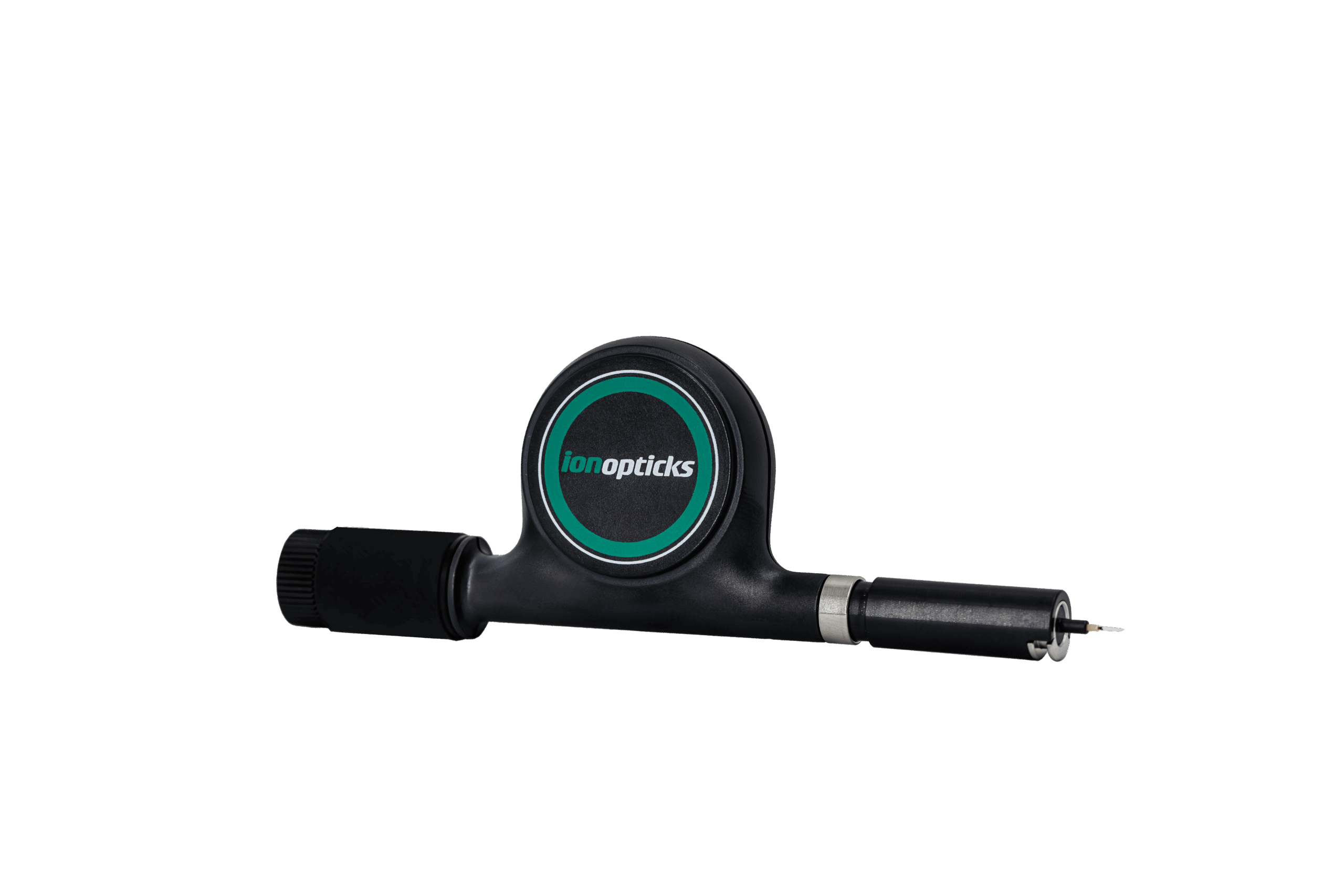
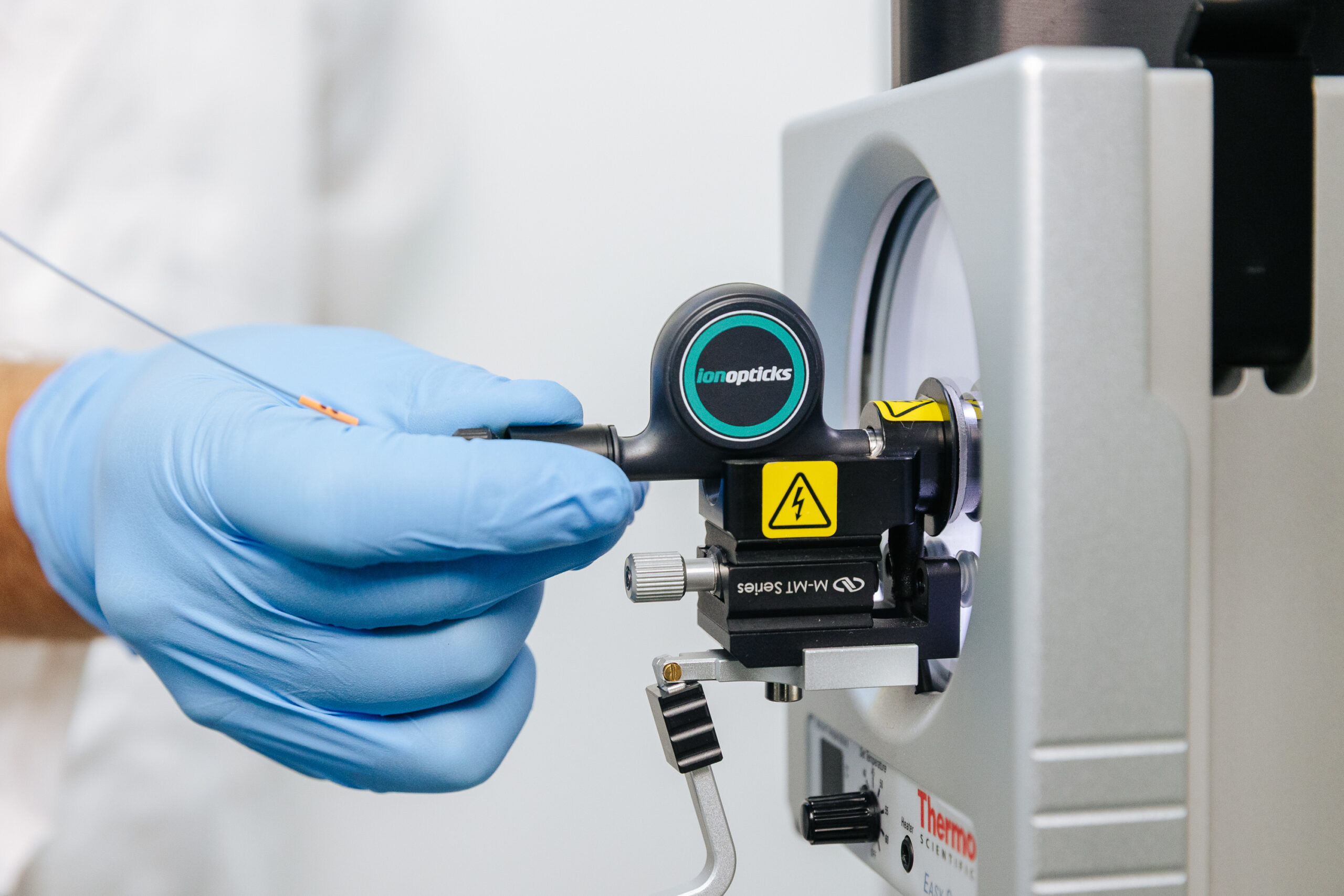
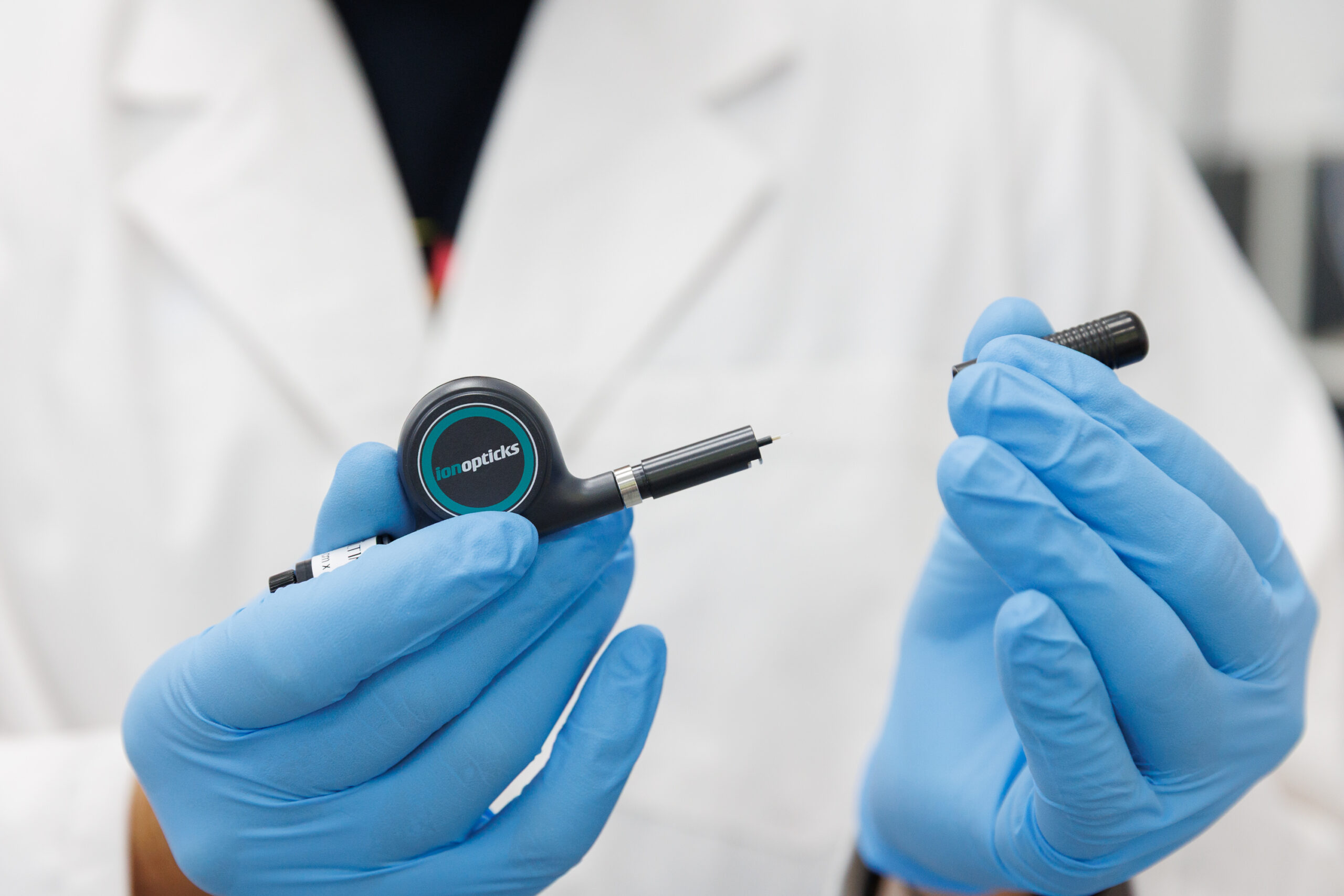
Aurora® Rapid™ 8×150 XT C18 UHPLC column
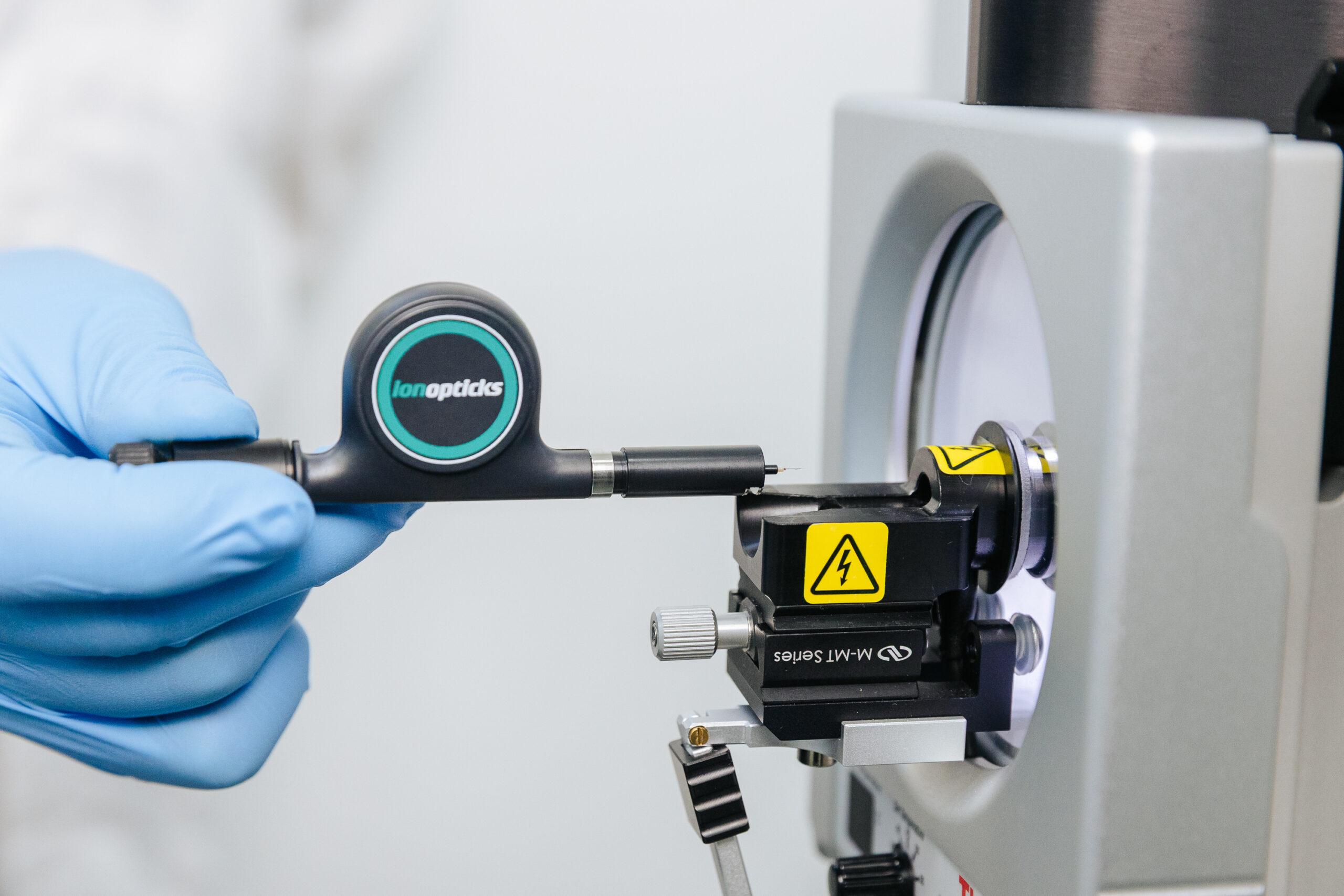
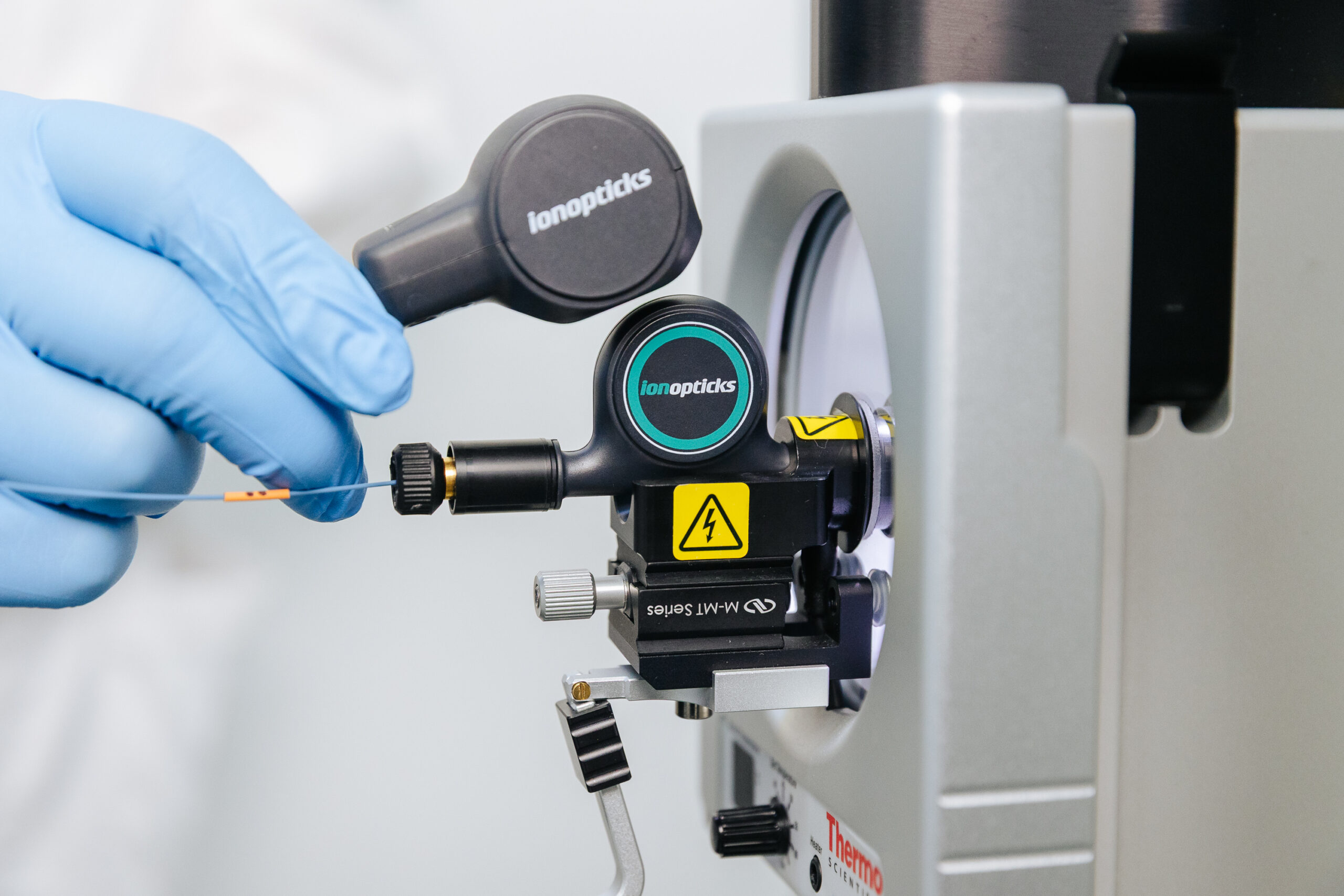
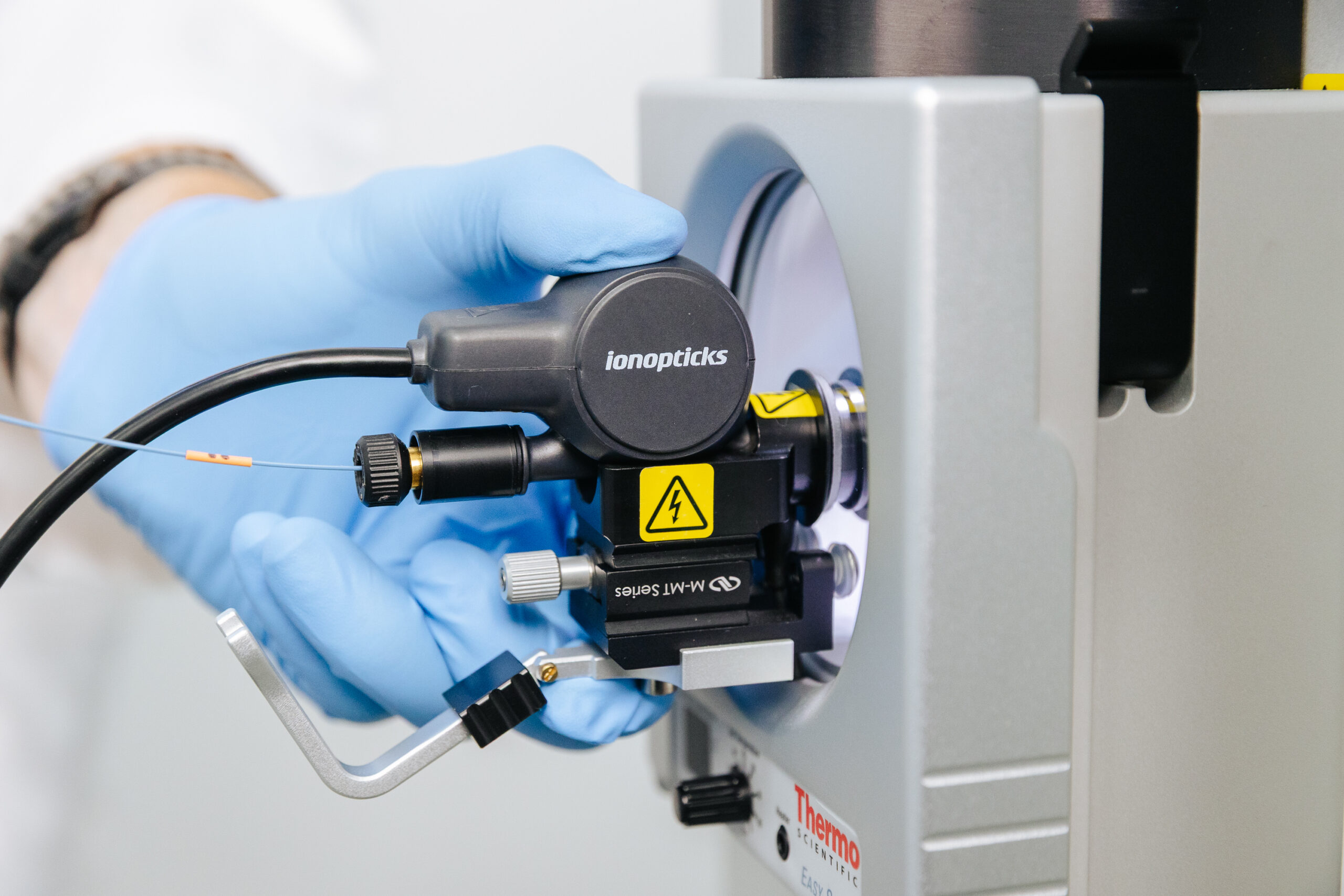
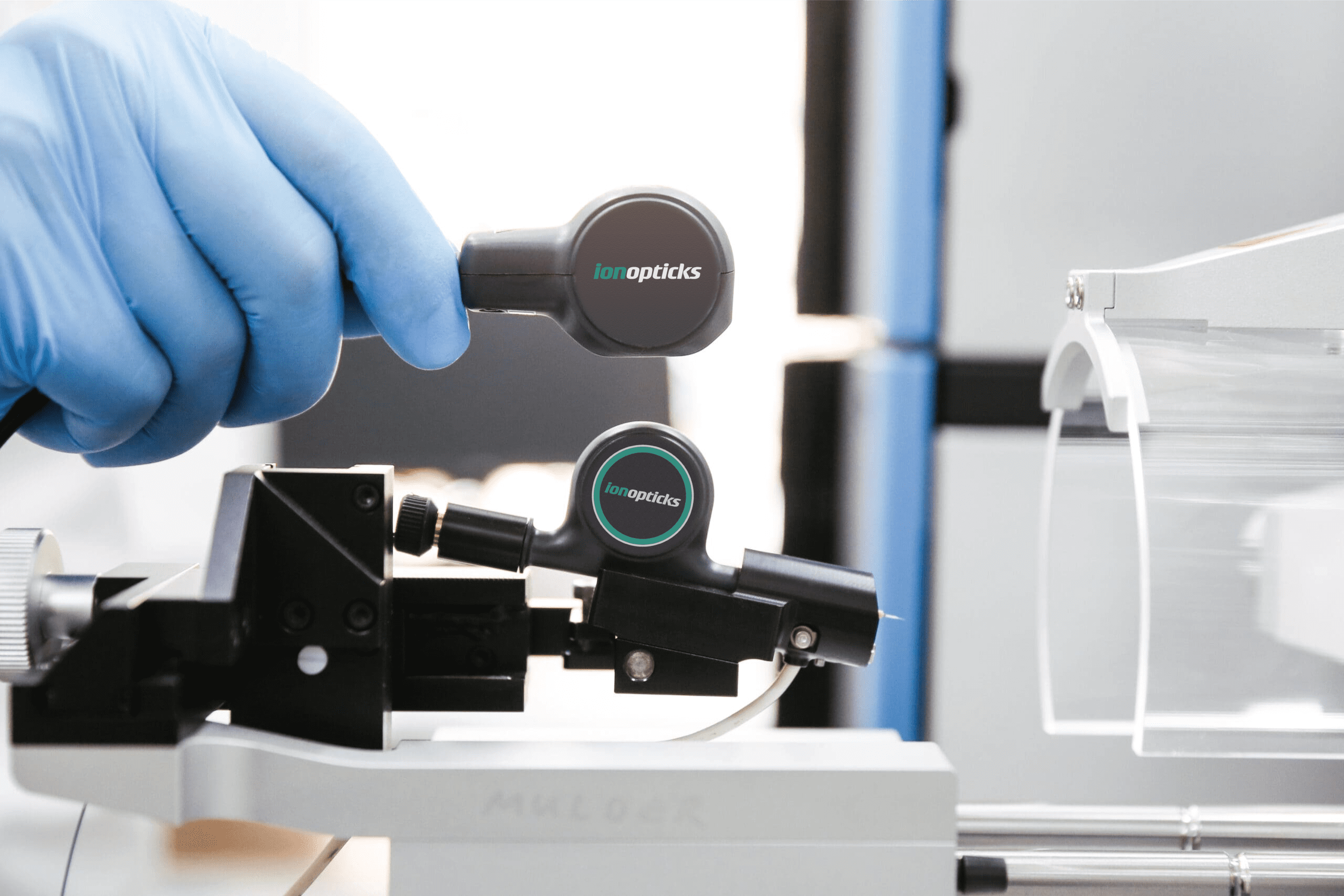
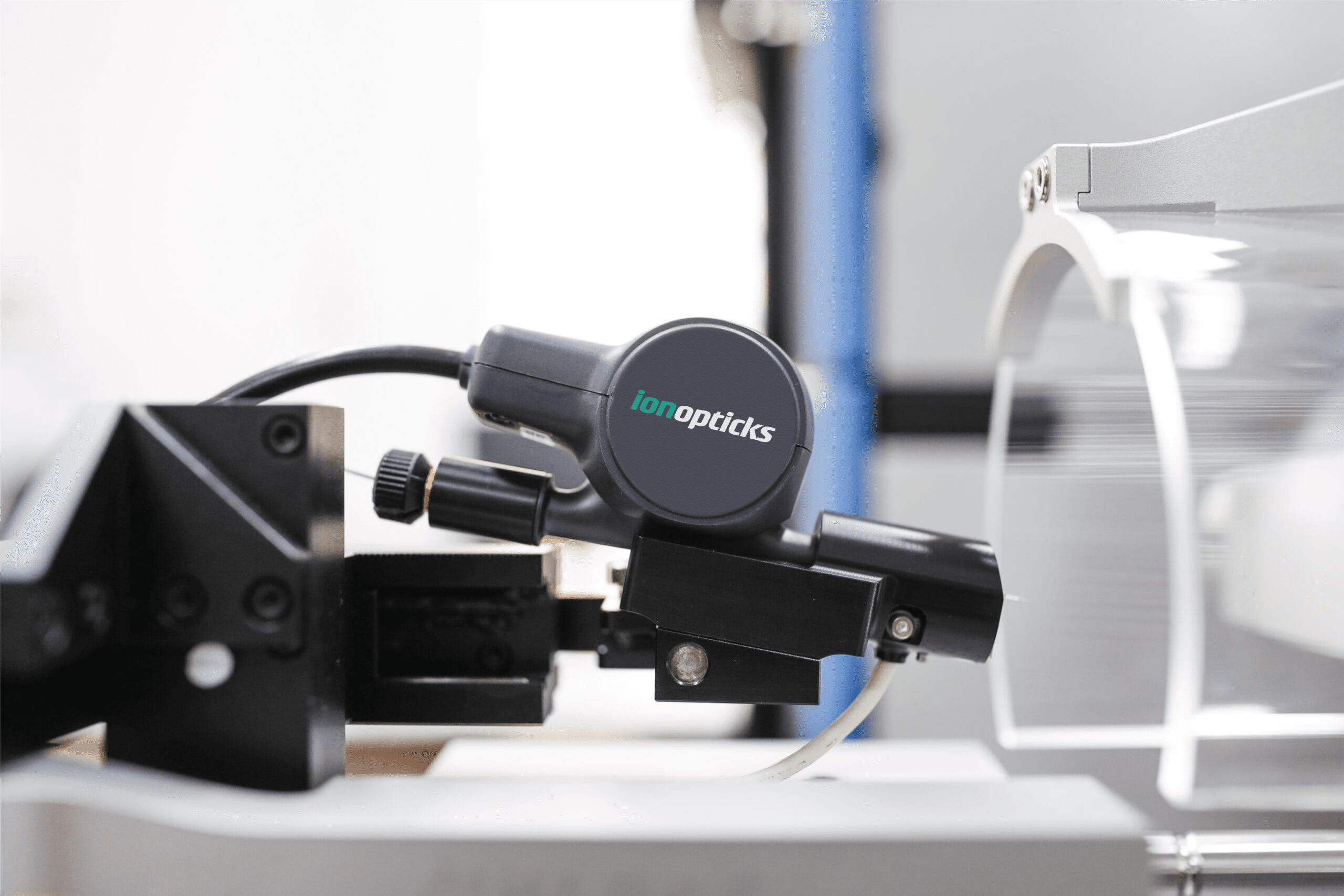
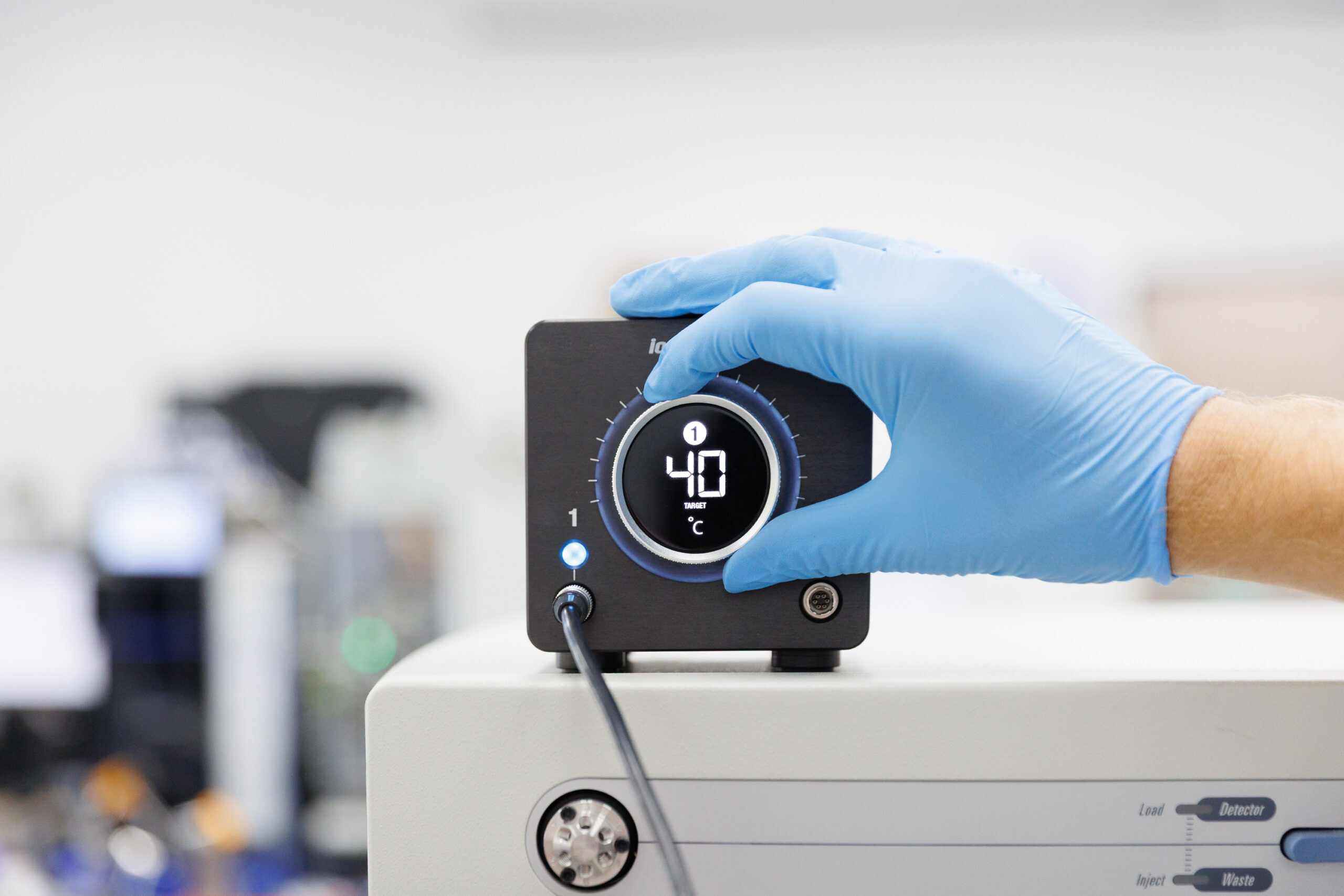
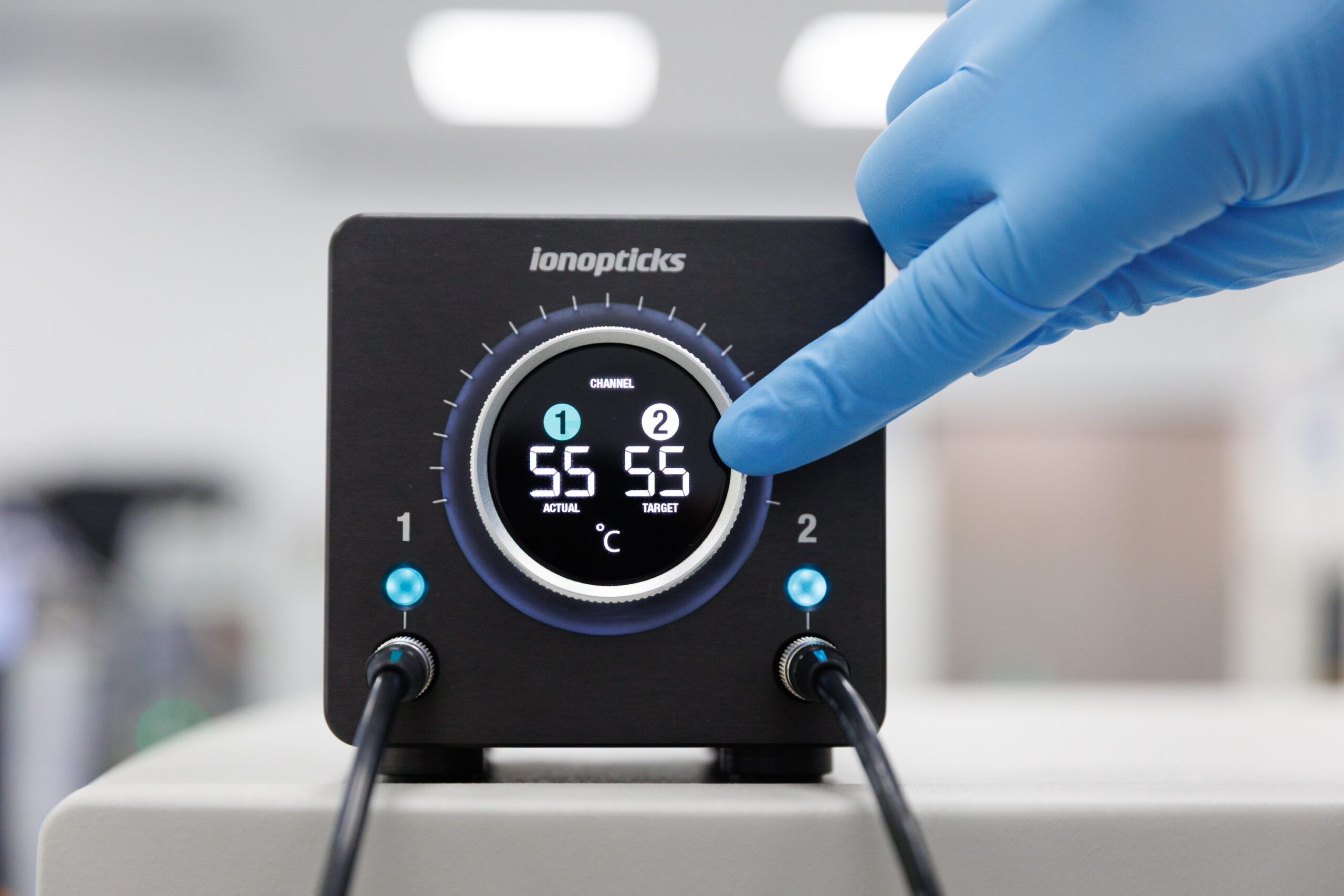
8 cm x 150 μm C18 UHPLC column with built-in HeatSync™ technology, compatible with EASY-Spray, Nanospray Flex and Newomics UniESI and DuoESI ion sources.
| SPD | 50 - 100 |
|---|---|
| Gradients | 5 - 15 mins |
| Recommended flow rate | 0.4 - 3 μL/min |
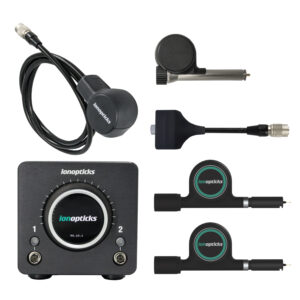
Aurora® Rapid™ 8×150 XT C18 HeatSync™ Starter Pack
Maximum throughput for a wide variety of sample types
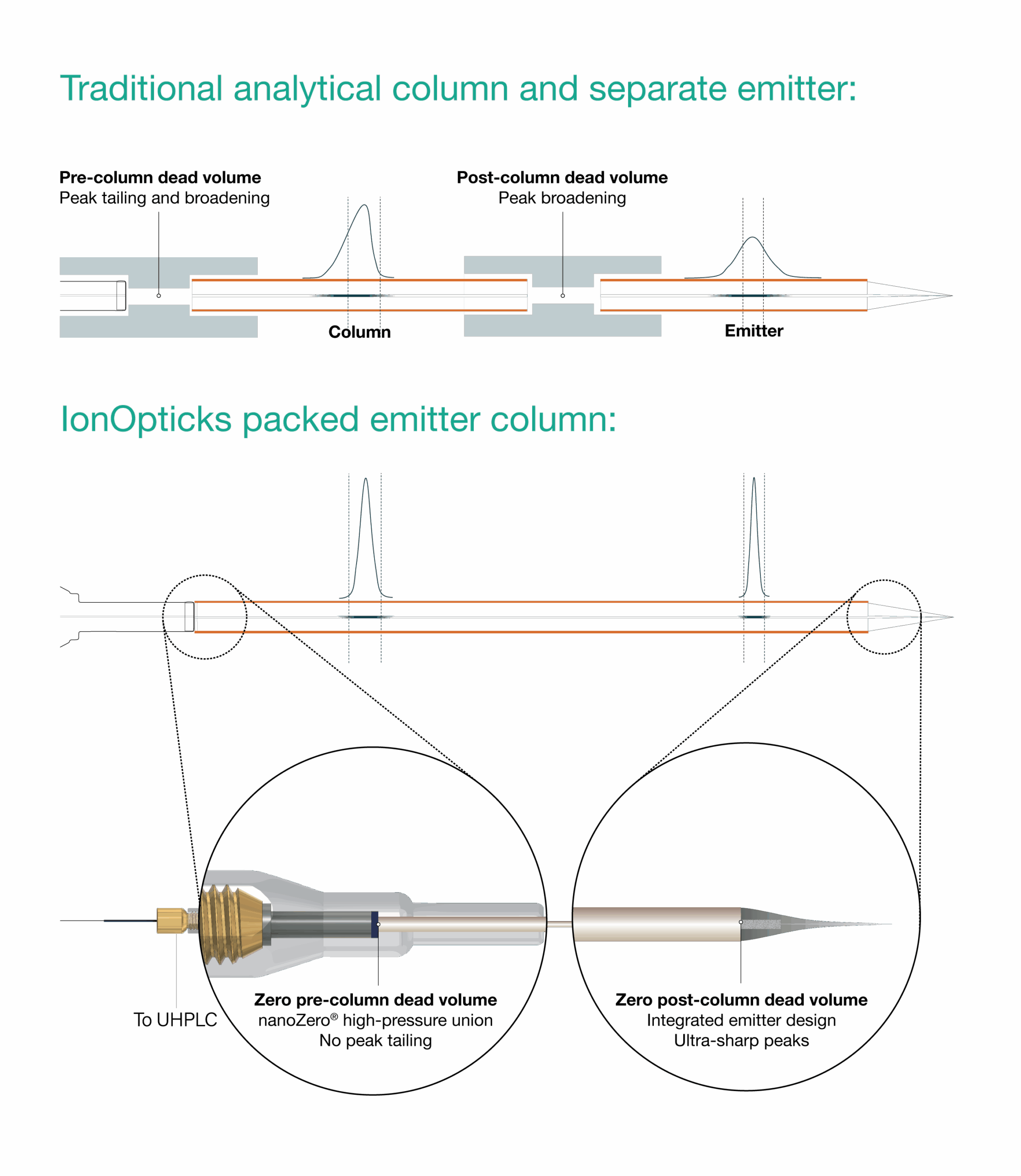
Generation 4 Aurora Rapid® 8cm x 150 µm Aurora Series packed emitter columns feature our revolutionary nanoZero® fitting, allowing for simplified plug-and-play high-throughput proteomics. These columns are capable of analysing from 50 to more than 100 samples per day while delivering class-leading peptide and protein identifications.
Product Benefits
- Good proteome coverage
- High throughput
- High peak capacity

100k+
unique
peptides
from 200 ng of sample

>0.98
mean Pearson
correlation

2.9 secs
full width
half maximum

Across
257 QC runs
High-throughput analysis of peptides and proteins
HeLa cell tryptic peptides, used for LC-MS QC, were injected and separated using a 60 samples per day method on an Evosep One. This method repeatedly identified over 9,300 proteins per run, with an average of 100,000 unique peptide identifications.

Protein identifications across different columns. A HeLa tryptic digest (200 ng) was separated on an Aurora Rapid 8 cm x 150 μm column on a 60SPD method using Evosep One and Thermo Fisher Orbitrap Astral Mass Spectrometer.

Unique peptide identifications across different columns. A HeLa tryptic digest (200 ng) was separated on an Aurora Rapid® 8 cm x 150 μm column on a 60SPD method using Evosep One and Thermo Fisher Orbitrap Astral Mass Spectrometer.
Narrow peak widths
The below plot displays the full width at half maximum (FWHM) values across 257 QC runs, revealing consistently narrow peak widths. This consistent performance indicates good column quality and reproducibility, important for large patient cohort analyses.

Peak widths across all runs: average full width at half maximum (FWHM) for all identified peptides from Hela Tryptic Digest injections on an Aurora Rapid® 8 cm x 150 μm columns. Samples were run on a Evosep One and Thermo Fisher Orbitrap Astral Mass Spectrometer.
Stable retention times ensure confidence in results
The analysis of retention time reproducibility is detailed through a scatter plot and histogram, focusing on the coefficient of variation for precursor retention times. The scatter plot demonstrates a high level of consistency, with most data points clustering below a CV of 6% and a median CV at 2.52%, showing stable retention times across precursors. Additionally, a four-month experiment on 16 selected peptides showed stable average retention times, further proving the reliability and precision of IonOpticks columns.

Scatter Plot and histogram analyzing the coefficient of variation of retention times for precursors: each dot represents an individual precursor across all of the 257 HeLa QC runs.The plot shows that most data points cluster below a CV of 6%, with the median CV marked at 2.52, indicating consistent retention times across all precursors.
| Column format | Analytical column |
|---|---|
| Column type | Reversed-phase |
| For use with | UHPLC |
| Length | 8 cm |
| Inner Diameter | 150 µm |
| Pore size | 120 Å |
| Pressure | >1700 bar |
| Temp. limits | 60°C |
| Particle size | 1.7 µm |
| pH stability | 1–8 |
| Stationary phase | C18 |