Our new app note demonstrates why the Aurora Rapid 8×75 columns are perfect for large-scale studies where sample is precious, and data quality can’t be compromised
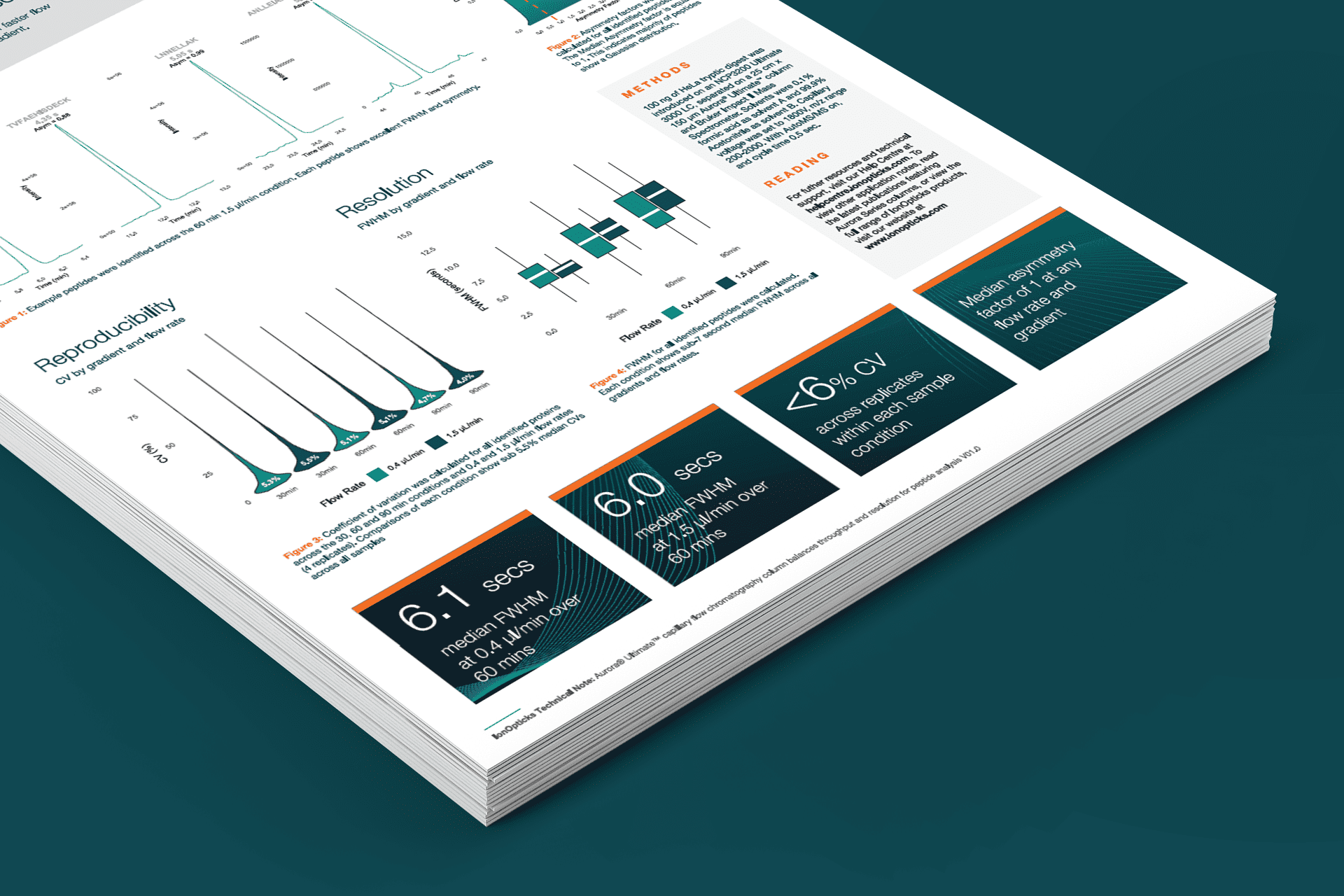
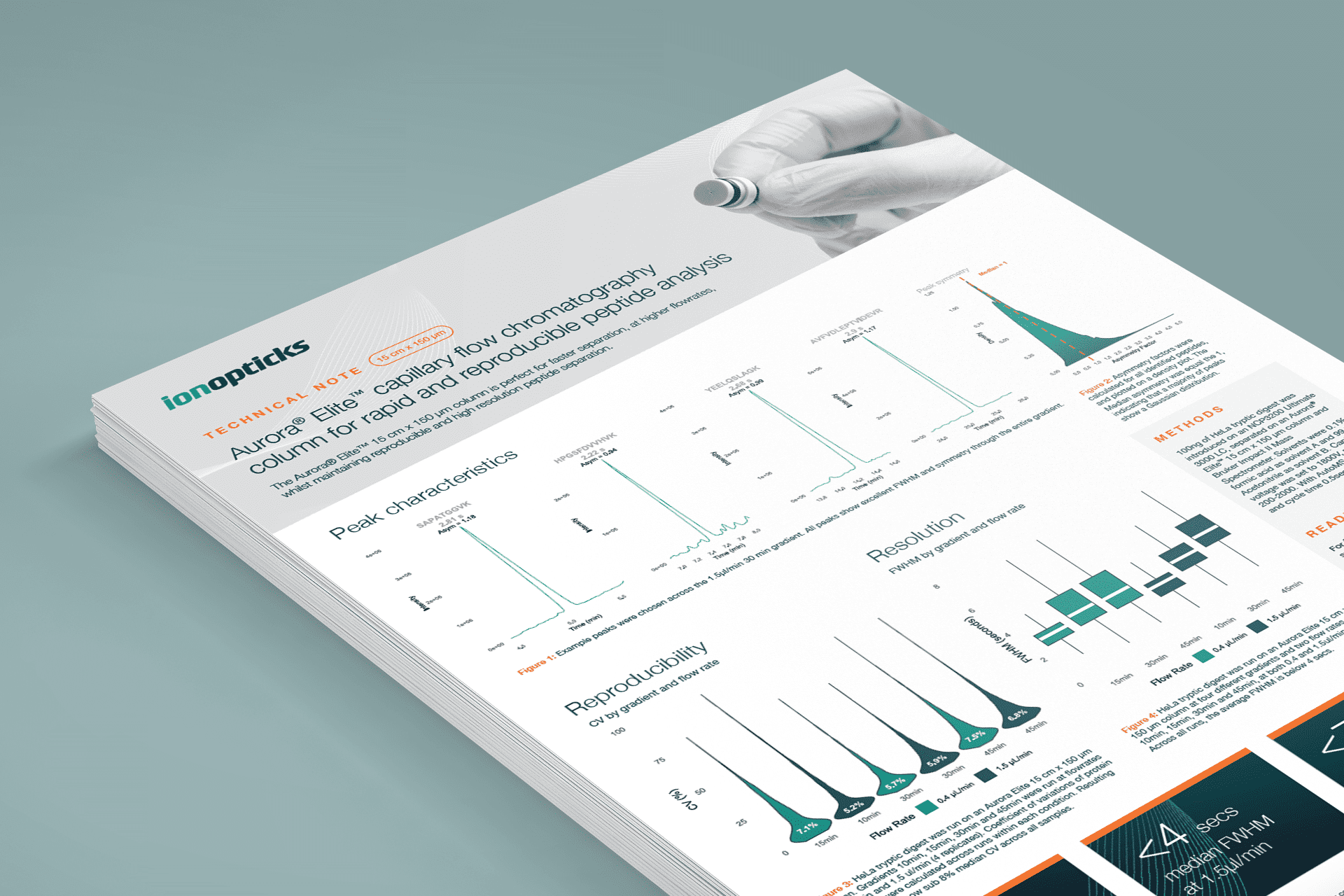
The data is in: new tech notes demonstrate the full capabilities of Gen 4 capillary flow columns
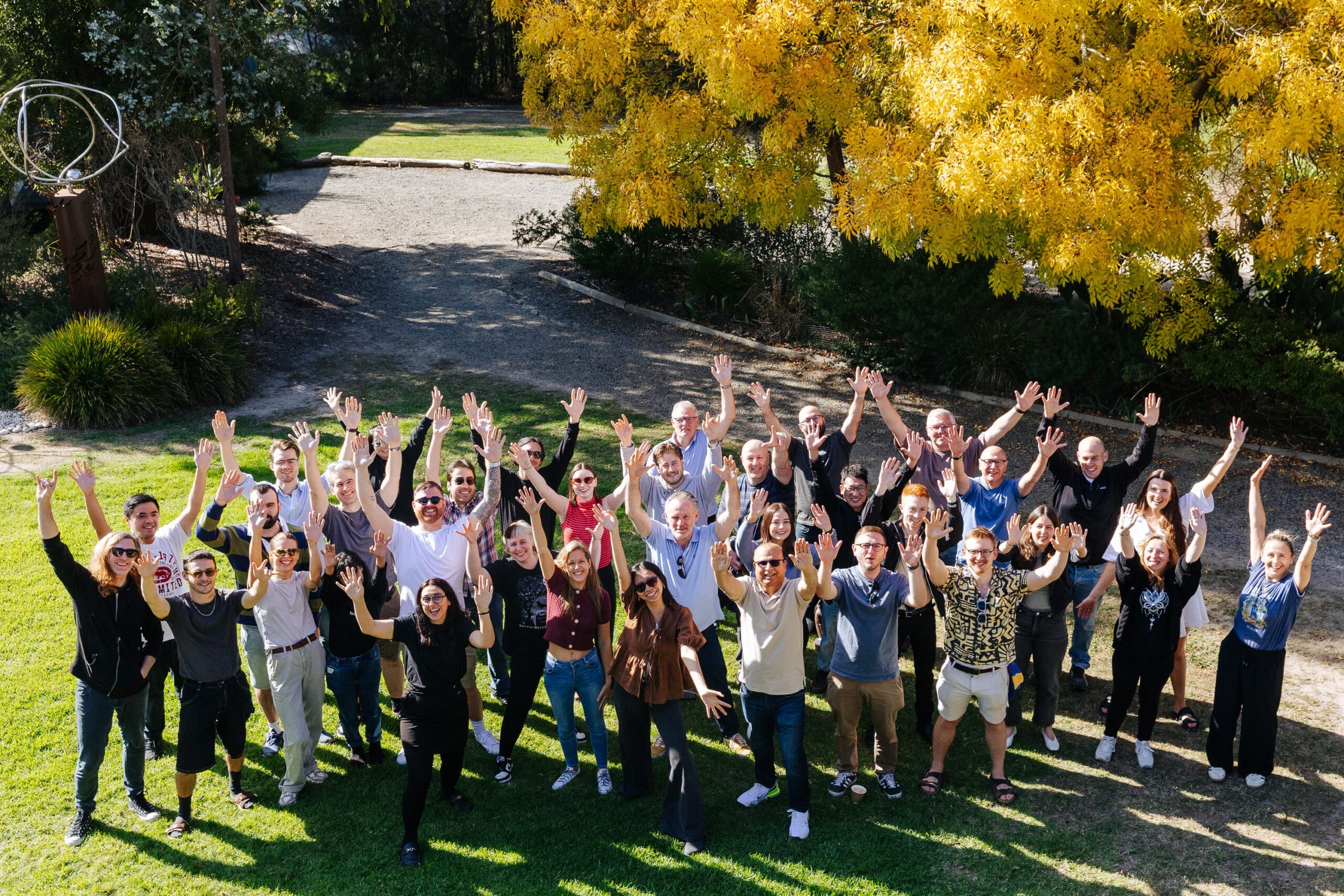
TeamIO welcomes members across the globe and refines its values
Other recent highlights
“With Gen 4 Aurora Series, we’ve built on our customers’ feedback to deliver enhanced performance that truly pushes the boundaries.”
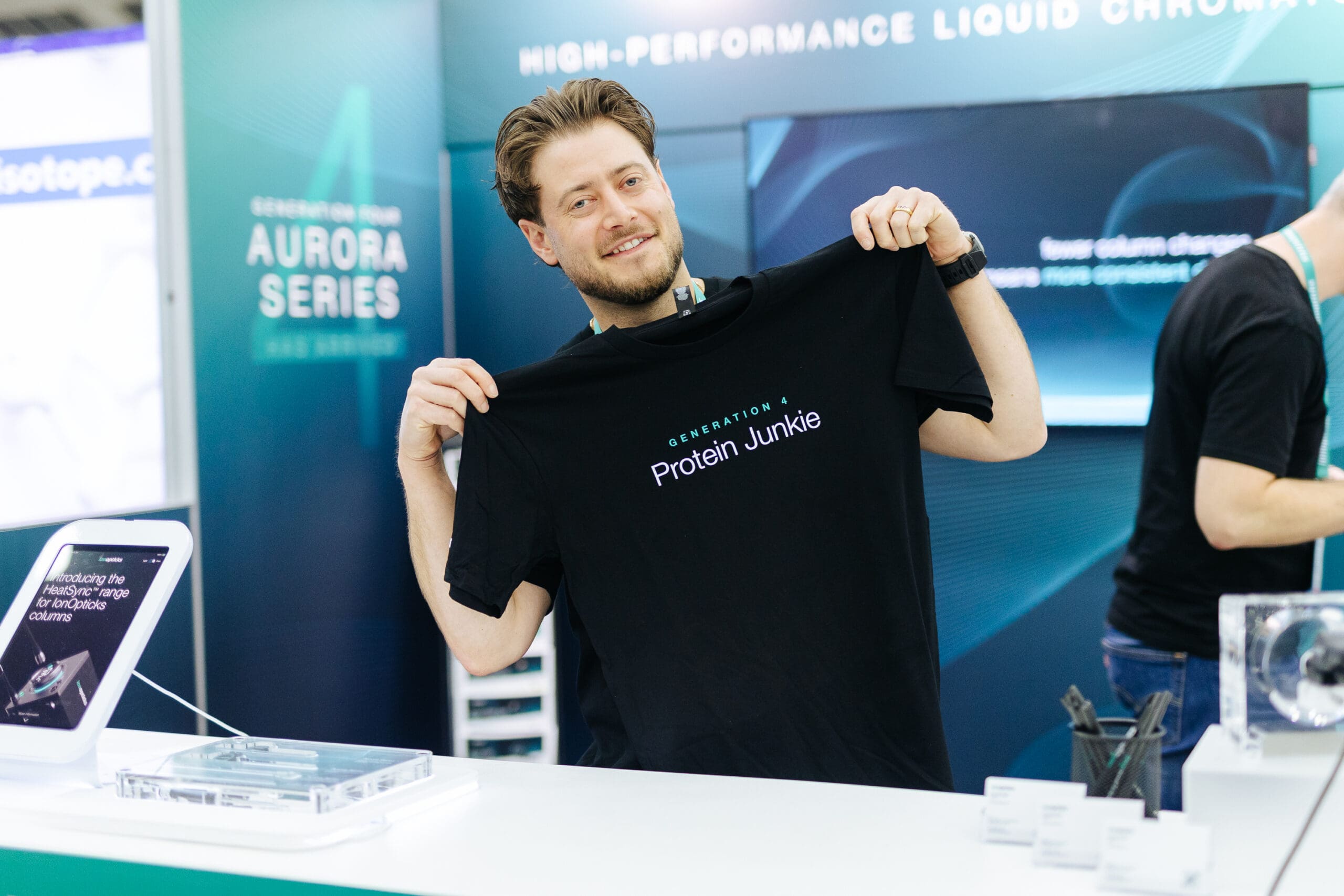
Our biggest launch yet: Generation 4 Aurora Series® has arrived. It’s been a long time coming, following extensive collaboration with leading proteomics researchers and rigorous in-house development. Now, you can experience their significantly improved robustness, longevity, spray stability, and reproducibility for yourself.
The latest generation introduces an expanded capillary flow column range, broadening the suite of purpose-built solutions for modern proteomics workflows. Analyse more complex samples with greater efficiency through columns specifically designed to meet these emerging challenges.
Also Introducing HeatSync™ – a unique and sustainable column heating range for IonOpticks columns. Designed by researchers, for researchers, this integrated heating ecosystem eliminates unnecessary complexity while extending temperature control to previously unsupported workflows. Specifically, you can how heat Aurora® Rapid™ 5 cm columns at the source with the HeatSync™ Rapid Column Housing.
Thoughtfully designed and beautiful to look at, the HeatSync™ Controller features a simple and intuitive rotary-touch interface and dual-channel support. The entire HeatSync™ accessory range provides proteomics laboratories with tools that simply work – letting you focus where it matters: on research, not equipment.
Following the launch, this is where it gets real for us: the moment our new releases leave the building and make their way into researchers’ hands. After all, that’s where the real story begins. We can’t wait to see what users can achieve with the next Generation of Aurora Series. Read on for a first look at the data.
LATEST EVENTS
From the beaches of Okinawa and Saint-Malo to the harbour in Baltimore, IonOpticks truly travelled the world for more conferences than ever before. Catch up on the latest conferences and events IonOpticks attended and supported.
Four ANZ societies unite for the inaugural AUS-oMicS meeting
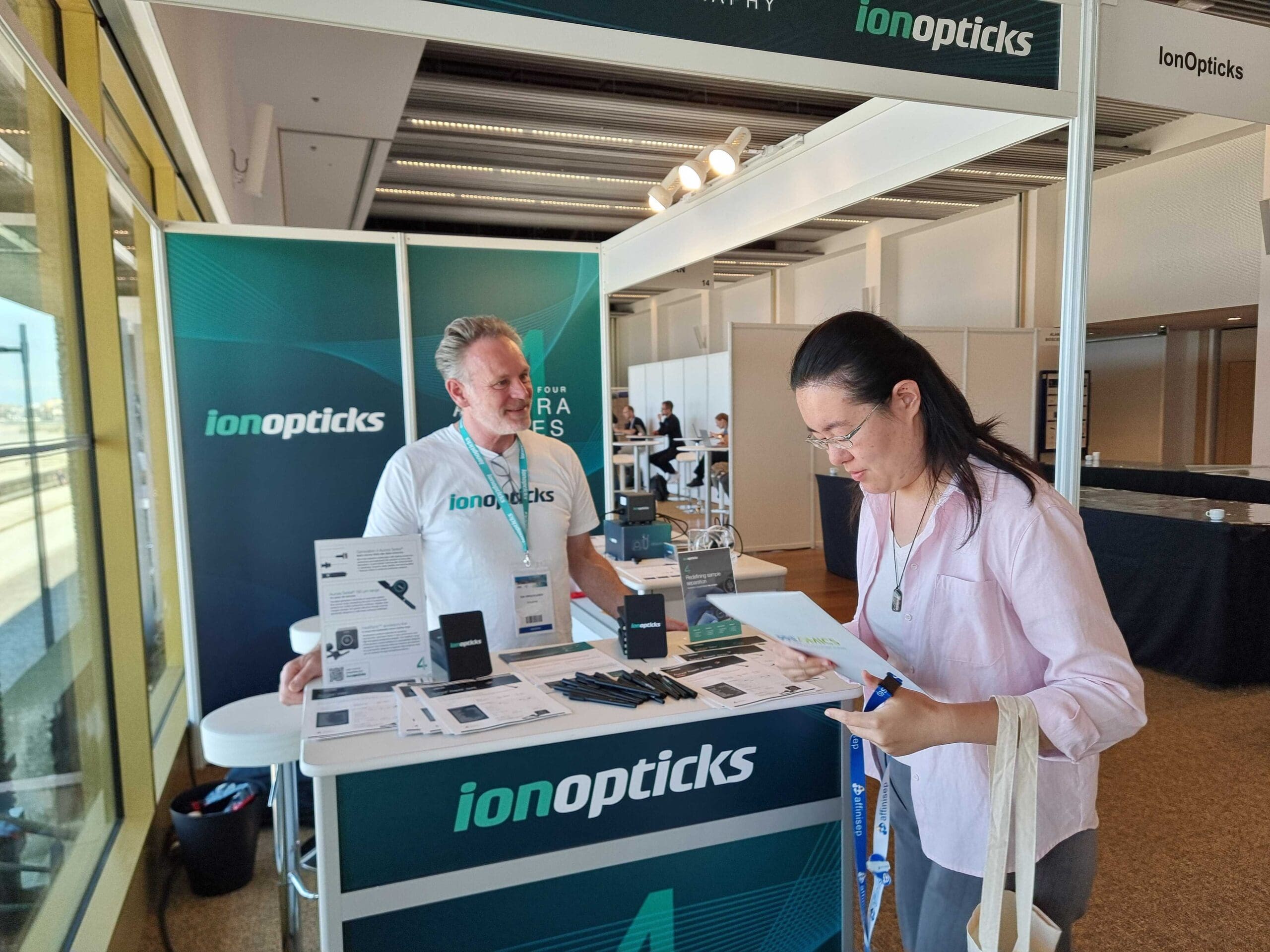
With the integration of four major Australasian and New Zealand symposia and societies, it’s was great to meet researchers from across multiple disciplines.
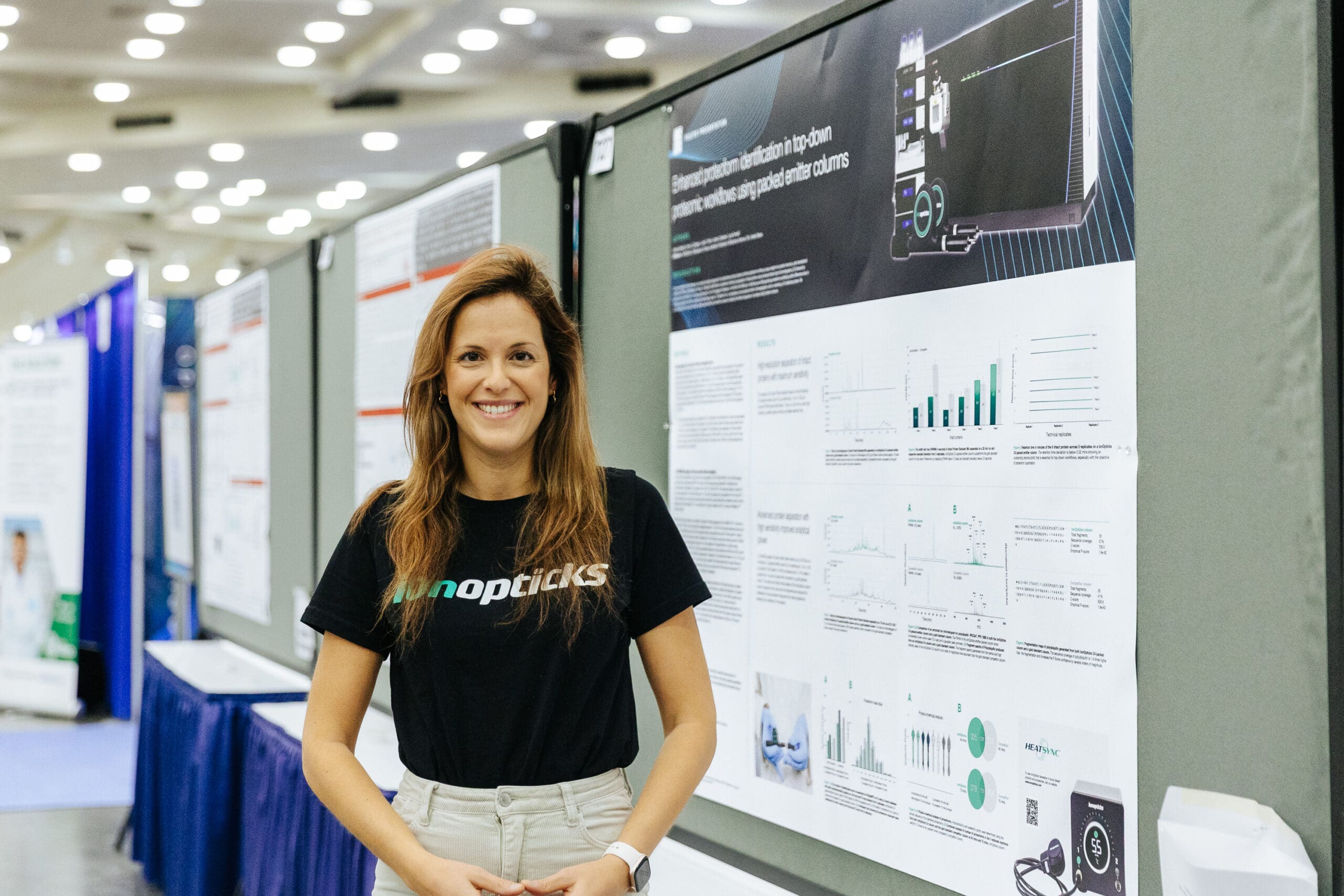
t’s invaluable to learn and share ideas on how LC-MS is being used in areas from proteomics to metabolomics to glycoscience. Everyone’s enthusiasm was infectious, and it’s always amazing seeing Aurora Series columns being mentioned in keynotes and posters from leading and emerging researchers.
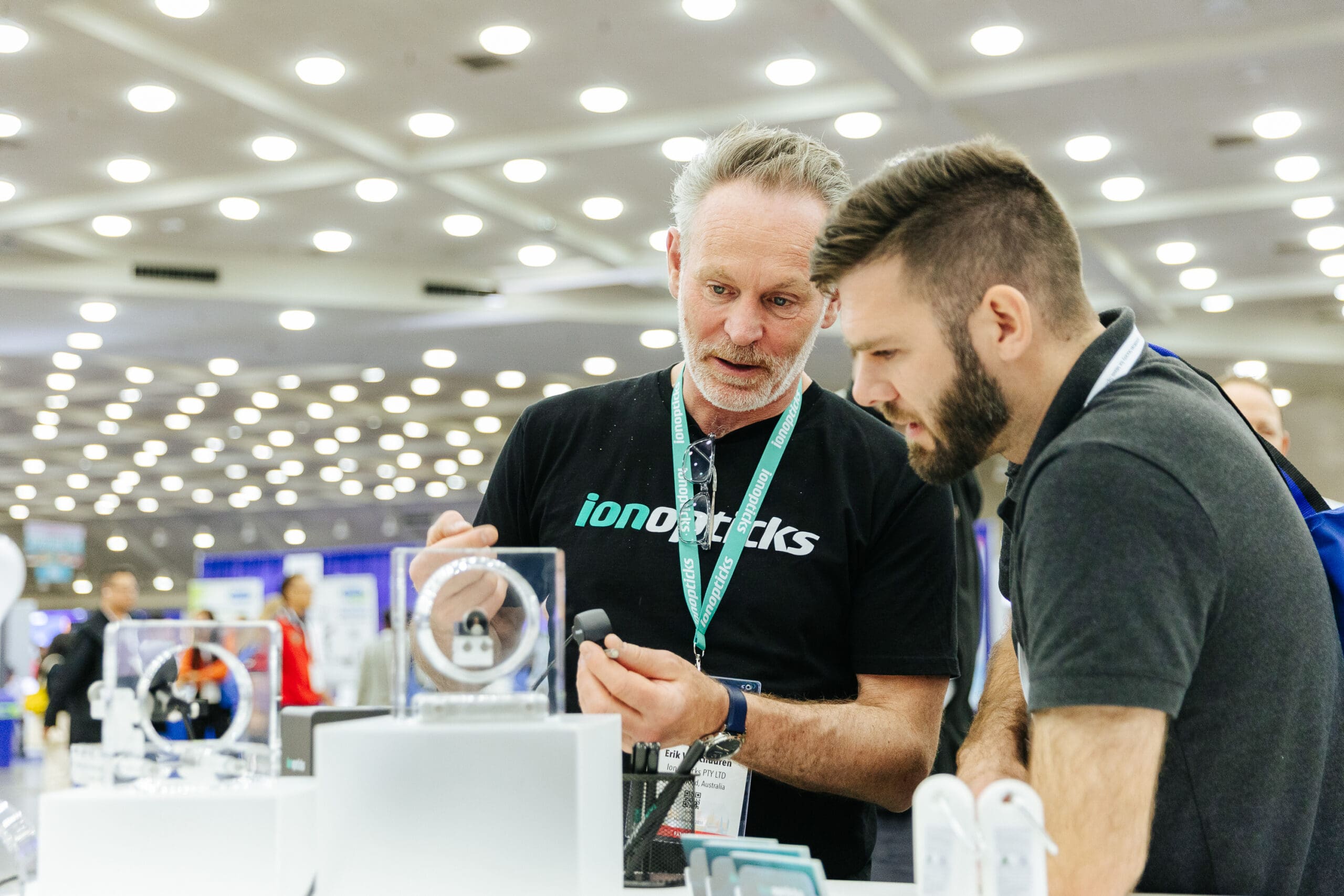
Jarrod & Erik soak in the latest advances in proteomics at the beach in sunny Saint-Malo
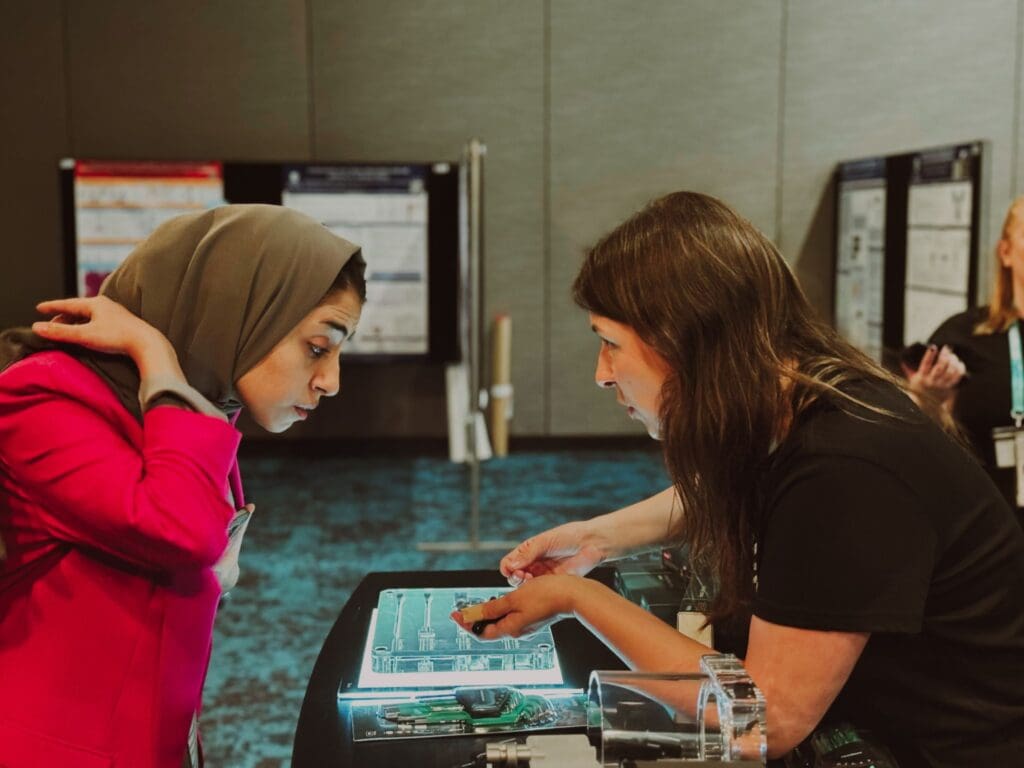
It was an absolute pleasure getting to connect with enthusiastic proteomics researchers in front of a stunning backdrop at EuPA 2025.
Thank you to EuPA – European Proteomics Association and organisers for having us and for bringing us all together for a look at the state and future directions of proteomics.
It’s encouraging to see the growing recognition that good chromatography matters – Aurora Series columns were cited in fantastic posters by Thermo Fisher, SCIEX, and ReSyn Biosciences, as well as Erwin Schoof’s keynote about the deepest proteome coverage.
As part of the Young Proteomics Investigators Club (YPIC) Education Day, Erik also joined a vibrant panel of seasoned professionals for an engaging two-hour discussion on the various career opportunities across industry and academia, as well as strategies to overcome the roadblocks and challenge we all face in the early days of exploration.
IonOpticks spends time with distributors in China and Japan
Thanks to Fabrice, our new Channel Distribution Manager for the APACI region, we’ve been able to spend some quality time with OmicSolution and AMR Inc., our distributors in China and Japan.
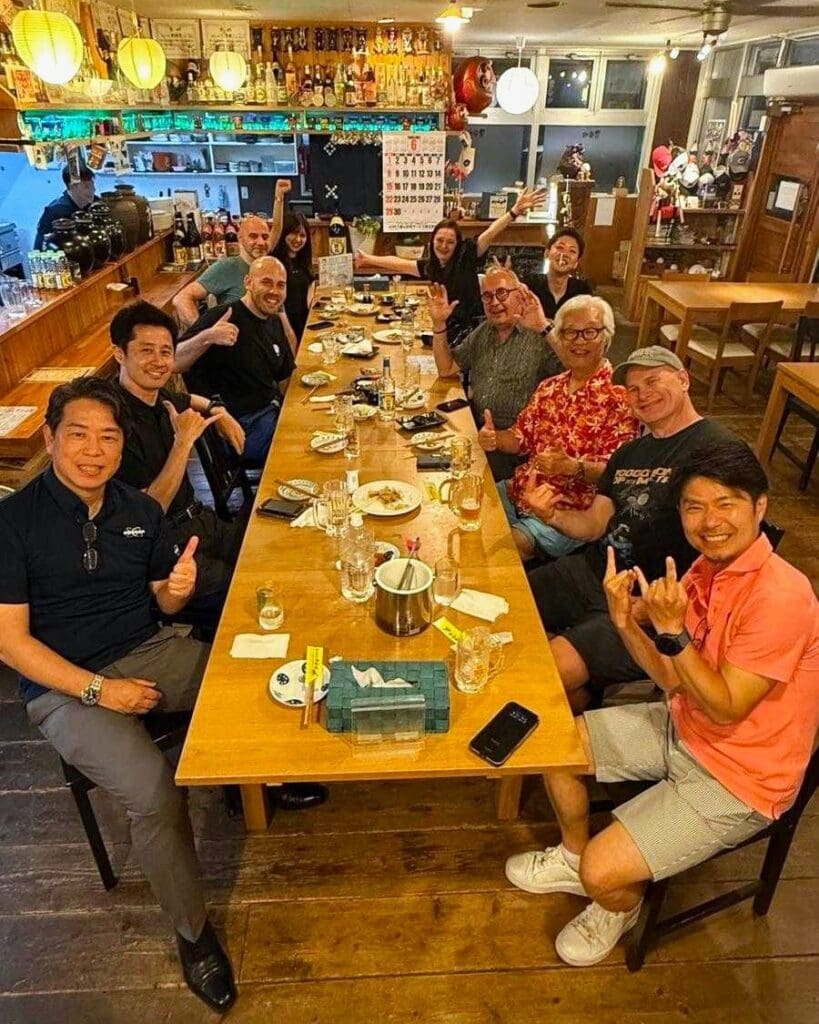
First, we exhibited for the first time in Japan at AOMSC 2025 in Okinawa. Shortly thereafter, we attended the First Single Cell Proteomics Academic Conference in Hangzhou. It’s been great to work directly with our partners and we look forward to further strengthening our relationship as we support the widespread adoption of our products into these regions.
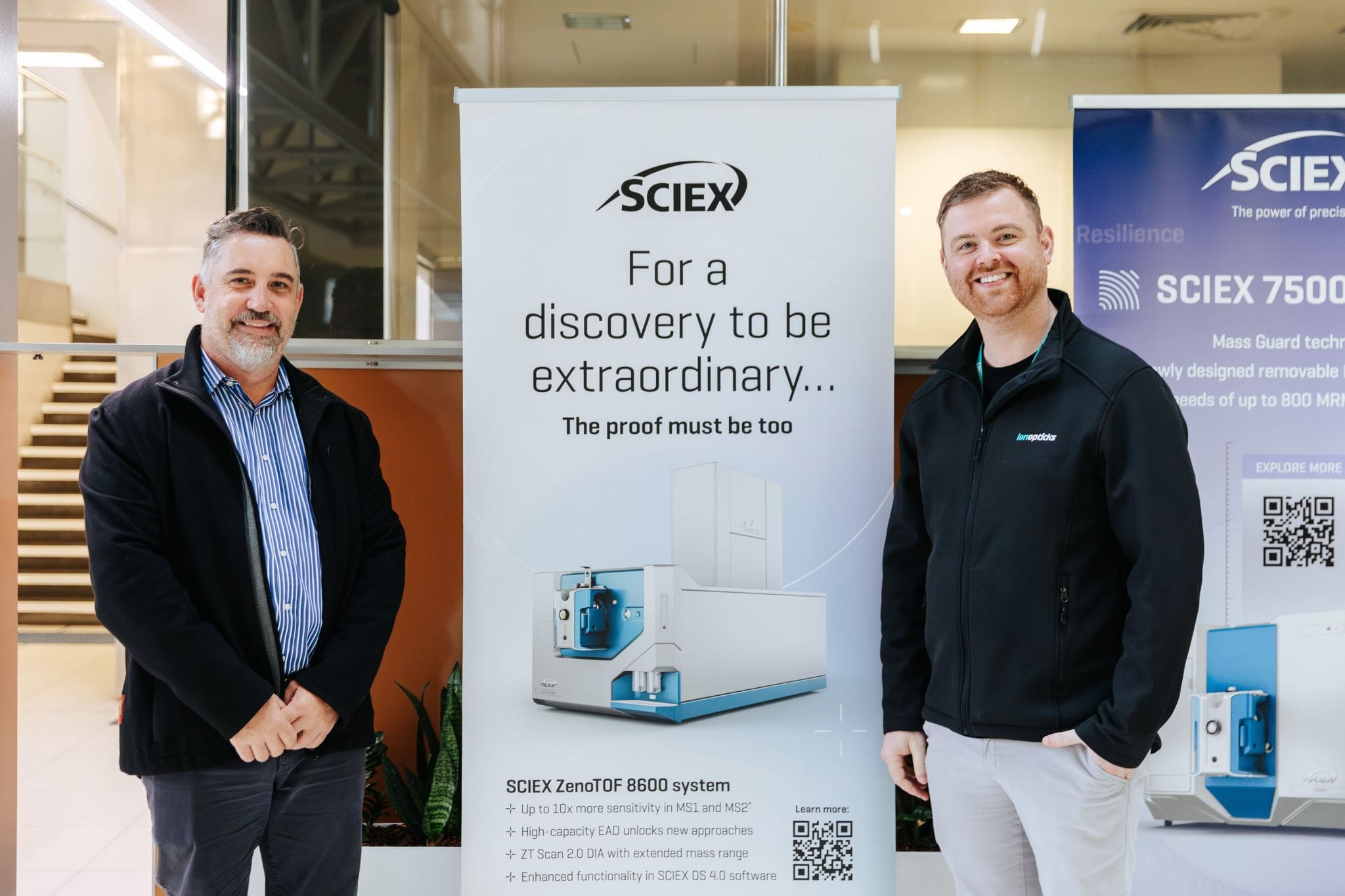
The new system’s immense sensitivity and speed were clear to see, delivering exceptional and reproducible results from even the smallest of sample inputs. It was particularly pleasing to see the new system and latest OptiFlow Pro ion source launched utilising IonOpticks Aurora XS columns, with continued compatibility with their newest offerings.
On display was some impressive data from Tim Heymann at the Max Planck Institute of Biochemistry, pairing the 8600 system with both the Aurora Ultimate 25×75 and Aurora Elite 15×75 XS columns for label-free quantitation analysis, identifying over 12,000 protein groups and more than 268,000 precursors from just 200 ng of sample across three species.
We look forward to our continued partnership with SCIEX Omics Solutions and are eager to see what the field can achieve when the new 8600 system is released in August.
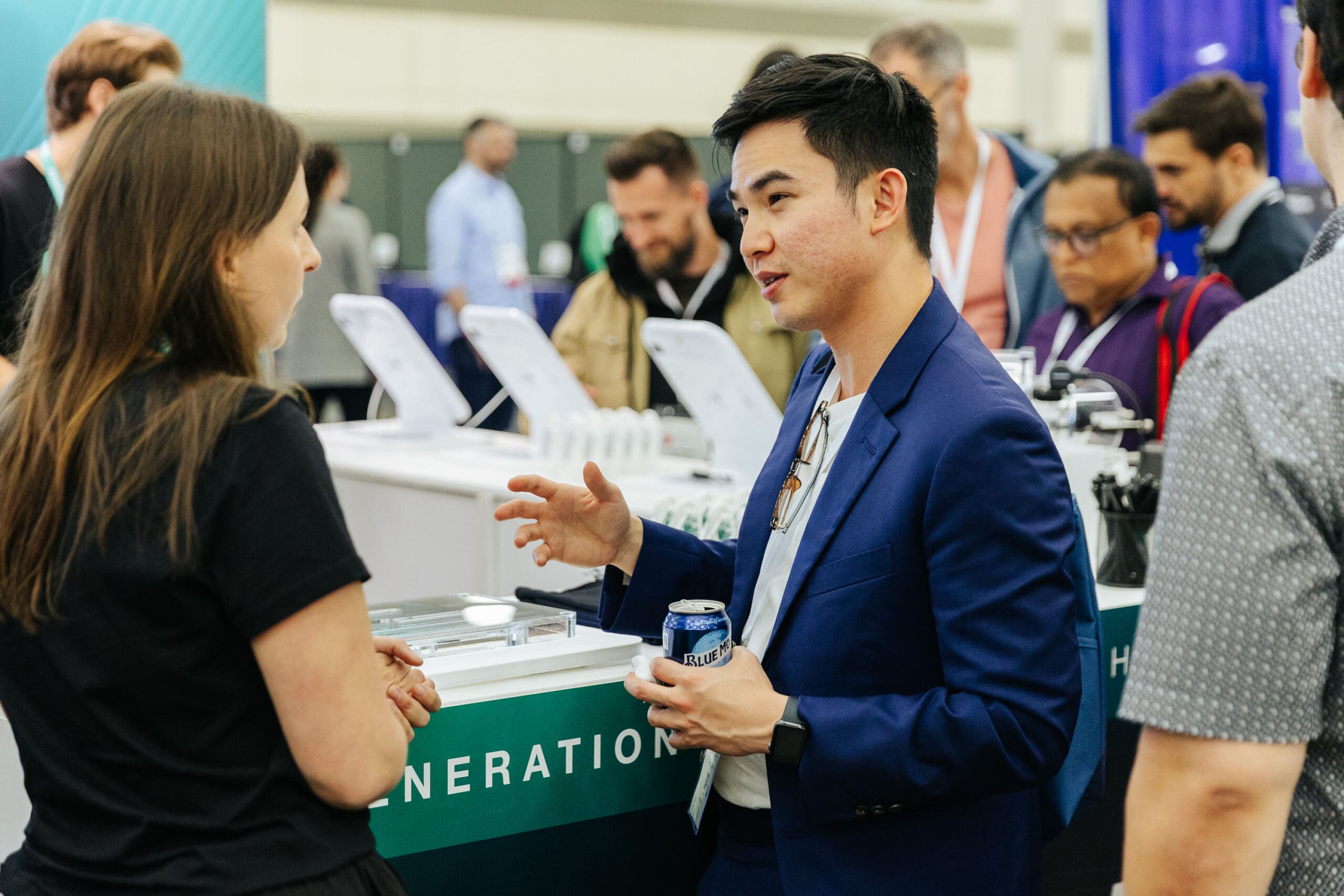
What an incredible week we had at ASMS in June this year. The amount of support and interest from the research community in our new releases has been overwhelming. And with countless poster and oral presentations showcasing the power of Aurora Series products, its a good thing we had more IonOpticks staff in attendance than ever before.
Just when we think we’ve heard every possible application of mass spectrometry, researchers surprise us with something new. Their enthusiasm is infectious and reminds us why this work matters so much. It never gets tiring being part of conversations that are shaping the future of research. To play even a small part in that passion and discovery is an honour.
Huge thank you to the organisers who made ASMS 2025 a reality and brought us all together – we already can’t wait for ASMS 2026.
Thanks for closing out the biggest event of the year with us, on us.
Bon voyage, Baltimore! While we’re slowly running out of ways to say thank you for making our User Appreciation Events what they are, we’ll never run out of energy with all the support we feel from you.
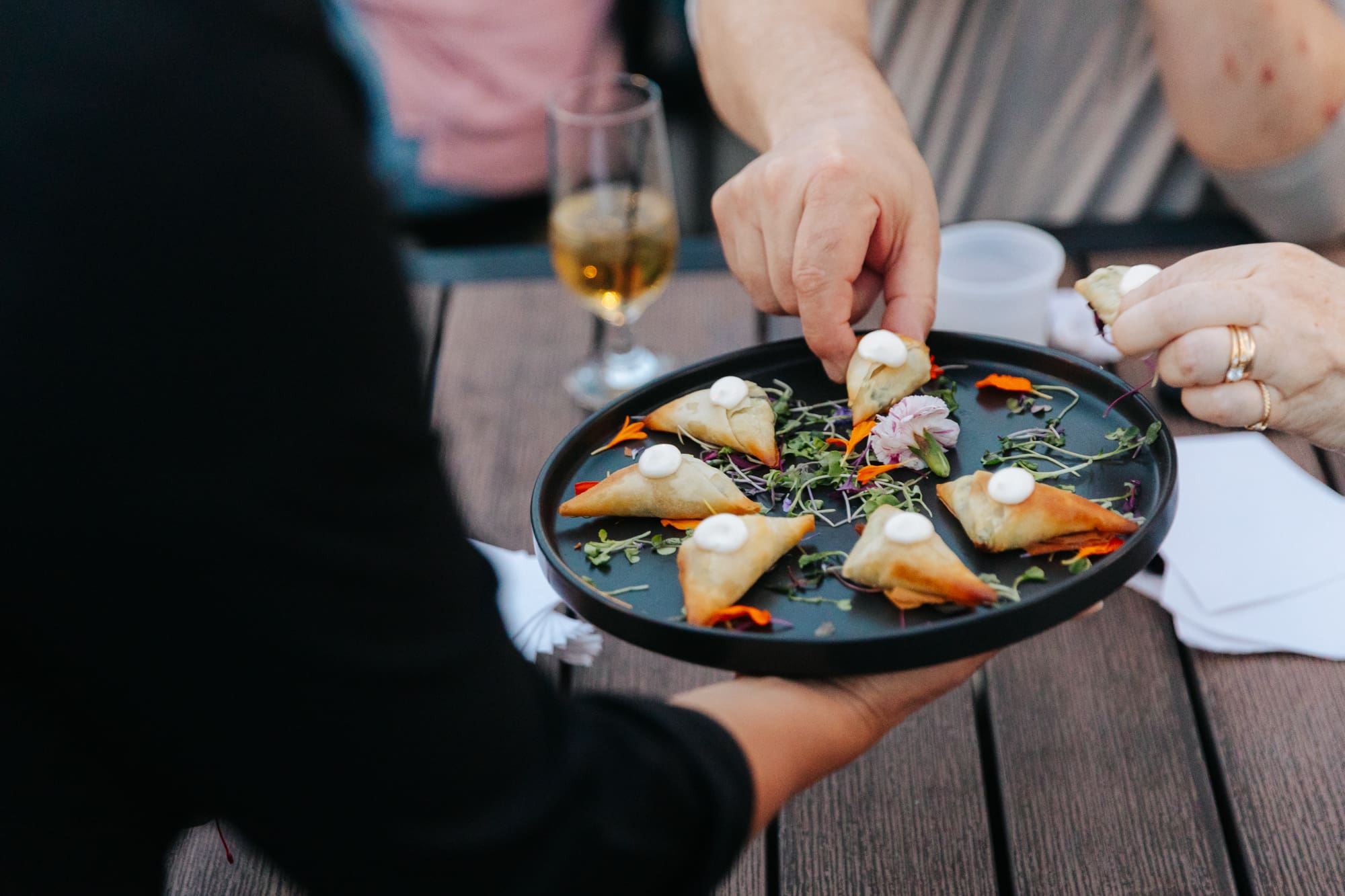
Our cruise in Baltimore Harbor was something special. A whopping 250 IonOpticks users, collaborators, and members of the wider MS community came together to celebrate the big week we all had at ASMS 2025. And, more importantly, to celebrate all of you who make us who we are and let us keep doing what we do.
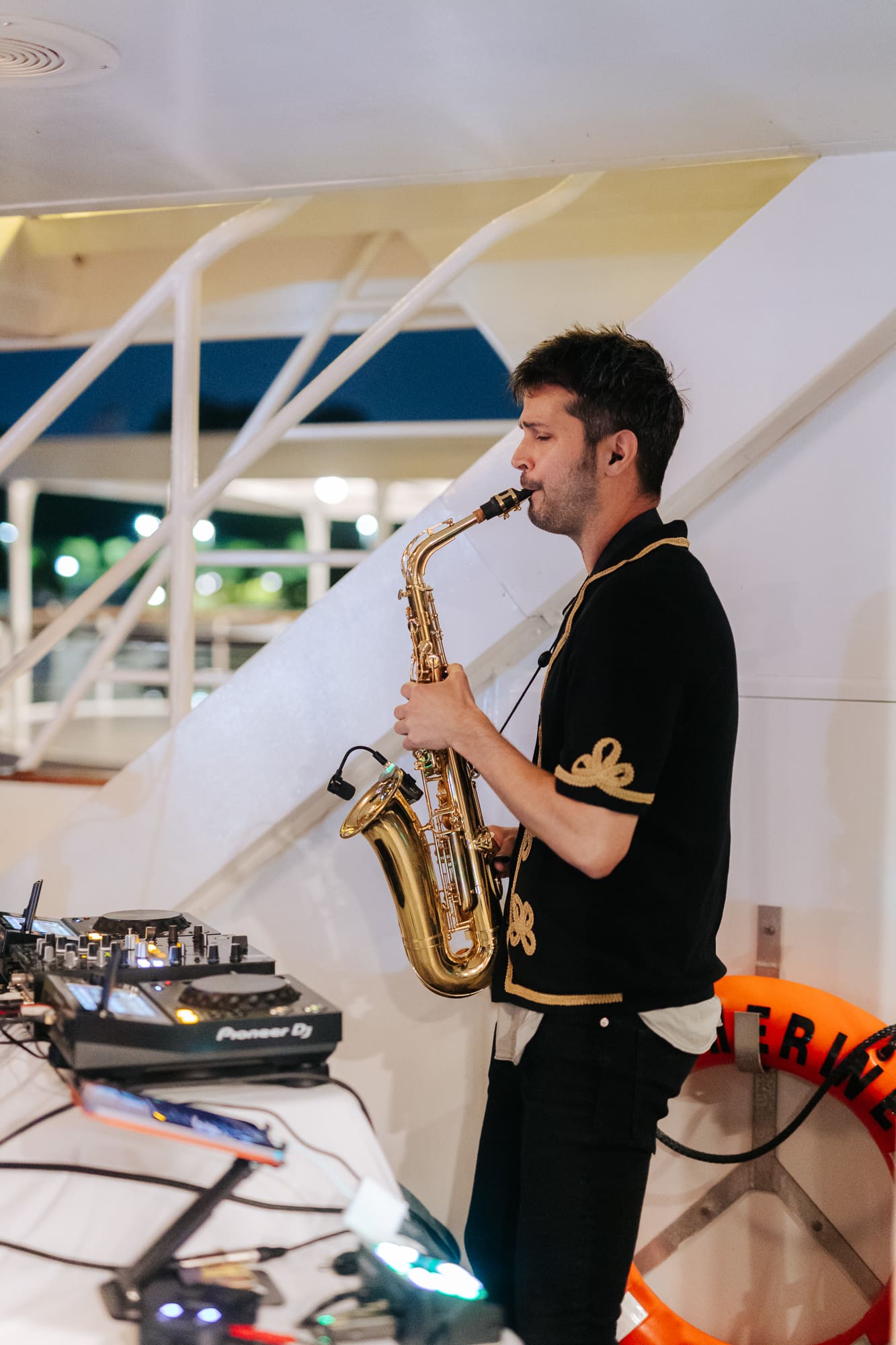
Thank you to each and every one of you who attended. Big thank you as well to Tim Lacatena who joined us from LA and delivered an outstanding hybrid DJ-Saxophone set for the evening which had everyone moving, Dave Walker and band for bringing incredible jazz vibes that perfectly complemented the night, Eleven Courses Catering for their sensational food, and of course Captain Suzy and her amazing crew at Watermark Tours Charters Cruises – the Catherine Marie really is a beauty.
We hope you enjoyed yourselves as much as we did, and that this remains a night to remember.
Featured researchers
Karl Krull
DKFZ German Cancer Research Center
Lizhuo Ai
Cedars-Sinai
Xiang Zheng
Aarhus University
Shelley Jager
Utrecht University
Moe Haines
Broad Institute of MIT and Harvard’s Proteomics Platform
Bercin Cenik
Northwestern University‘s Department of Biochemistry and Molecular Genetics
Karl Krull
DKFZ German Cancer Research Center
Dr. Karl Krull, a proteomics researcher working in Jeroen Krijgsveld‘s group at the DKFZ German Cancer Research Center in Heidelberg, is building innovative workflows that push single-cell proteomics towards dramatically higher throughput. By adding computational analysis to his repertoire, while focusing increasingly on the biological applications of his work, Karl is learning to uncover hidden patterns in his data that could answer fundamental biological questions.
Lizhuo Ai
Cedars-Sinai
Dr. Lizhuo “Liz” Ai, a postdoctoral fellow in Dr. Jennifer Van Eyk‘s lab at Cedars-Sinai in Los Angeles, is unravelling the hidden diversity of heart cells through cutting-edge single-cell proteomics. This approach, which centres on investigating cardiomyocyte heterogeneity in response to drug treatments, could transform how we develop and prescribe heart medications. Between the major breakthroughs, however, it’s the journey that Liz has learned to embrace – the unexpected results, the failed experiments, and the challenges and small wins that ultimately lead to discovery.
Xiang Zheng
Aarhus University
Dr Xiang Zheng, Assistant Professor in spatial proteomics at Aarhus University, is combining techniques to study cancer in unprecedented detail. Throughout his precision oncology research, which is advancing our understanding of how cancer develops and responds to treatment, Xiang has learned the value of interdisciplinary work and collaboration. It’s the combination of different perspectives and skill sets that advance scientific endeavours such as personalised cancer treatment – Xiang’s ultimate goal.
Shelley Jager
Utrecht University
Shelley Jager, PhD candidate in Prof. Albert Heck’s lab at Utrecht University, is pioneering methods in glycoproteomics, a field in its early stages. Initially being an area she wasn’t interested in, Shelley has grown to love the challenge that comes with a largely unexplored field. Every question left unanswered by an experiment is further motivation to keep digging deeper. Her lab’s ‘fun Friday’ tradition provides one unconventional, yet promising pathway to answering such questions.
Moe Haines
Broad Institute of MIT and Harvard’s Proteomics Platform
Moe Haines, a Senior Research Associate II at the Broad Institute of MIT and Harvard’s Proteomics Platform, is transforming decades-old tissue samples into rich sources of medical knowledge. With a background in biochemistry and molecular biology, and after experimenting with various jobs in industry, he has found his current niche in proteomics. Now, he’s actively working to better understand cancer and rare diseases.
Bercin Cenik
Northwestern University‘s Department of Biochemistry and Molecular Genetics
Bercin Cenik, a Research Assistant Professor working with Dr. Ali Shilatifard at Northwestern University‘s Department of Biochemistry and Molecular Genetics, is developing technologies that are tackling previously intractable questions in chromatin biology. Throughout her career journey from developmental biology to epigenetics, she’s discovered that breakthrough science requires not just technical innovation, but the persistence to overcome scepticism and the vision to see connections across disciplines. Her persistence has paid off, with TurboCas now being adopted by labs around the world.
The constant and ever-accelerating discoveries made in proteomics are incredible. So are the people behind those discoveries. That’s why we’re featuring researchers in our new series. Since our last newsletter, we’ve featured Dr. Karl Krull, Dr. Lizhuo Ai, Dr. Xiang Zheng, Shelley Jager, Moe Haines, and Dr. Bercin Cenik, with more coming soon. We’d love to get to know you better, so if you’d like to be a contributing author for an upcoming Community Newsletter, reach out to us via communications@ionoptickscopy.com and tell us a bit about yourself.
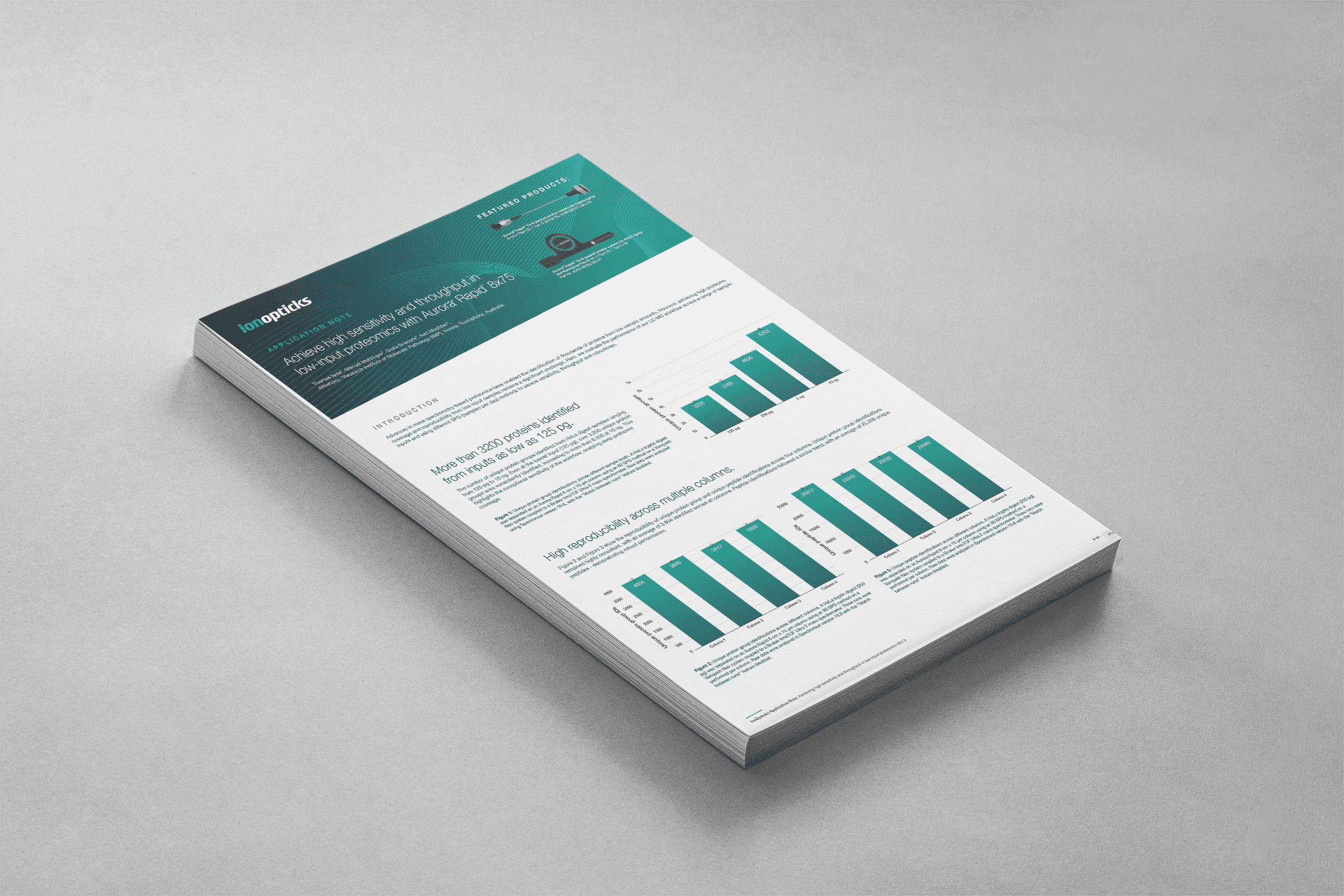
App Note: Achieve high sensitivity and throughput in low-input proteomics with Aurora® Rapid™ 8×75
Our new application note demonstrates why the Aurora® Rapid 8×75 columns are perfect for large-scale studies where sample is precious, and data quality can’t be compromised.
Developed in collaboration with Karl Mechtler’s team at the Research Institute of Molecular Pathology (IMP) in Vienna, our new app note showcases the outstanding sensitivity, reproducibility, and throughput of the Aurora Rapid 8×75 columns:
• 3,200+ proteins from just 125 pg samples • <16% CV across all sample inputs • 650+ runs with stable backpressure • Up to 80 samples per day
HeLa digest samples were analysed on a Vanquish Neo coupled to a Bruker timsTOF Ultra 2, with peptides separated on the Aurora® Rapid 8 cm x 75 µm column, in its CSI CaptiveSpray-compatible format.
NEW RELEASE: Introducing one of the latest Generation 4 Aurora Series® products from IonOpticks – the Aurora® Ultimate™ 25 cm x 150 µm capillary flow column. Built for reliability and versatility, this column is ideal for labs running 10–50 samples per day, offering the perfect balance of performance and productivity.
Designed as a true laboratory workhorse, the Aurora® Ultimate™ 25×150 delivers ultra-sharp peaks and exceptional peak symmetry. With an increased bed volume, it supports a broader range of applications without compromising sensitivity or depth.
Get more out of every run with higher throughput, greater flexibility, unmatched resolution.
NEW RELEASE: One of the latest Generation 4 Aurora Series® products from IonOpticks. Capturing some of the key performance highlights of our latest Aurora® Elite™ 15 cm x 150 µm capillary flow column: ultra sharp peaks and exceptional peak symmetry demonstrates that higher throughput is possible without sacrificing depth and sensitivity.
Advancing plasma proteomics: Quantitative and high-throughput EV analysis with automated Mag-Net workflow, Evosep One, and Orbitrap Astral mass spectrometer
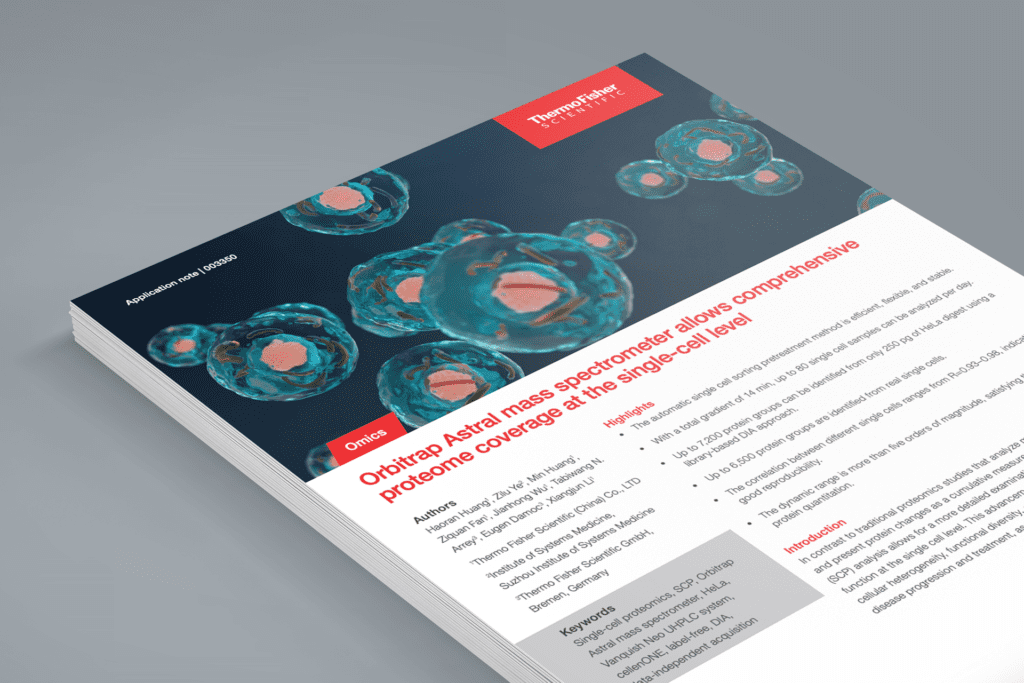
A new tech note from Thermo Fisher, using the IonOpticks Aurora Elite 15×75 column, demonstrates how automated extracellular vesicle (EV) enrichment addresses the major challenges of plasma protein analysis: dynamic range complexity and throughput limitations. Relying on the Aurora Elite for peptide separation, this integrated Mag-Net workflow also combines MagReSyn SAX beads for EV enrichment, streamlined Evotip loading, and the high-resolution mass spectrometry of the Orbitrap Astral.
Over 5,000 protein groups and 35,000 precursors were identified with outstanding precision (CV <15%). The automation minimises manual handling while EV enrichment captures proteins that reflect cellular states, enabling deeper biological insights for biomarker discovery. The platform offers flexibility between high-throughput and maximum identification modes, making it ideal for large-scale clinical studies and biomarker research.
Matthias Mann overcomes longstanding barriers to extreme-scale studies thanks to Aurora columns
Albrecht et al. develop PCA-N, a new plasma proteomics workflow. Combining an Evosep One LC, Thermo Fisher Scientific Orbitrap Astral MS, and an Aurora Rapid 8×150 column, a simple neutralisation step in perchloric acid precipitation eliminates protein extraction needs, reducing sample volume to just 5 µL while enabling 384-well plate parallelisation.
The results? • Preparation of 10,000+ samples daily at standard costs • 2× deeper proteome coverage vs. standard methods • Costs under $1 per sample • Successfully tested across 34,500 samples over 311 days
This methodology makes population-level proteomics studies both technically and economically feasible, potentially revolutionising biomarker discovery across diverse populations. The study represents the first application of CLSI C64 guidelines to evaluate reproducibility and repeatability of discovery plasma proteomics workflows, establishing new standards for clinical proteomics.
A new Olsen Lab breakthrough, powered by Aurora columns, allows for the study of protein turnover in individual cells.
Sabatier et al., from the Olsen lab, have developed pulsed SILAC (pSILAC) at the single-cell level. This breakthrough allows for the study of protein turnover in individual cells. Learn more about the development of pSILAC and this multidimensional approach, which detected ~4,000 proteins in single HeLa cells, revealing key regulatory mechanisms of protein turnover and shedding light on cellular heterogeneity.
COMMUNITY
#teamIO welcomes new members across the globe
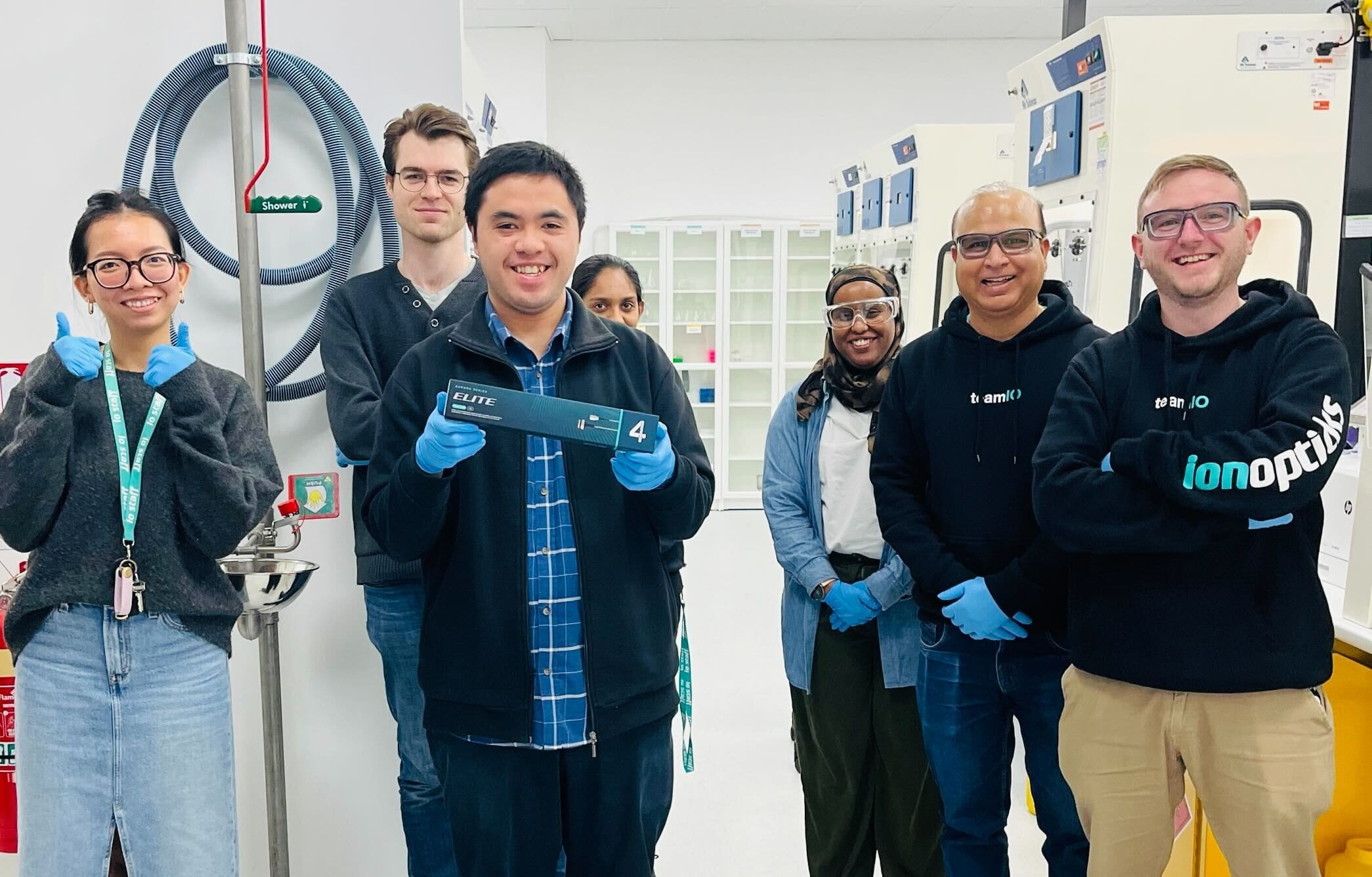
We mentioned Fabrice earlier – he’s far from the only new starter at IO. With Veronica, Maddison, Michael, Gary, Jahnavi, Zahra, Matthew, Ashley, Emma, and Mitch, we’ve once again welcomed more than a handful of new faces to functions from R&D, Production, and Engineering to HR.
As we keep expanding, we’re always on the lookout for new people across the globe. Whatever your expertise and wherever you’re based, keep an eye on our ever-evolving Careers Page.
TeamIO defines its values on retreat in the Yarra Valley
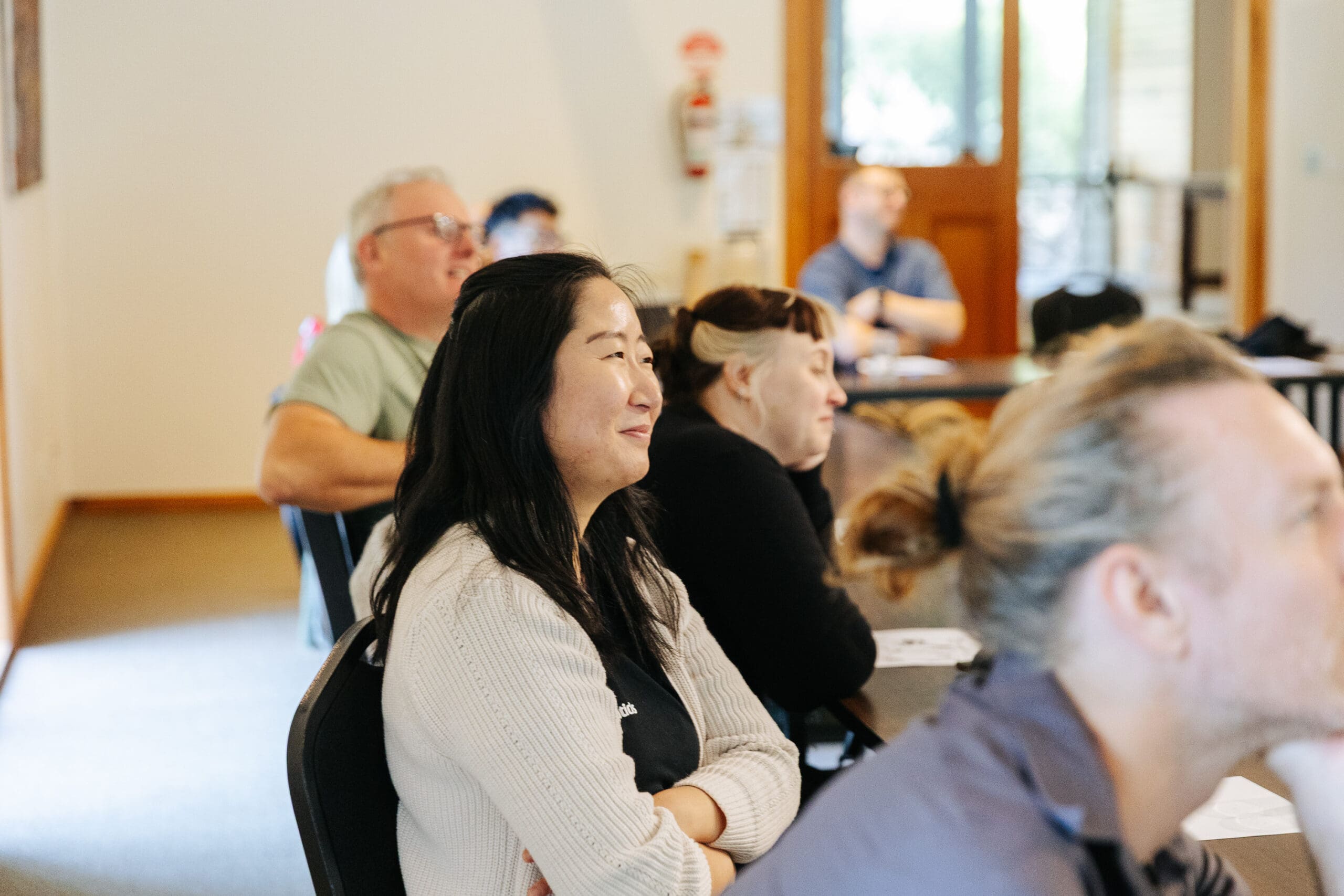
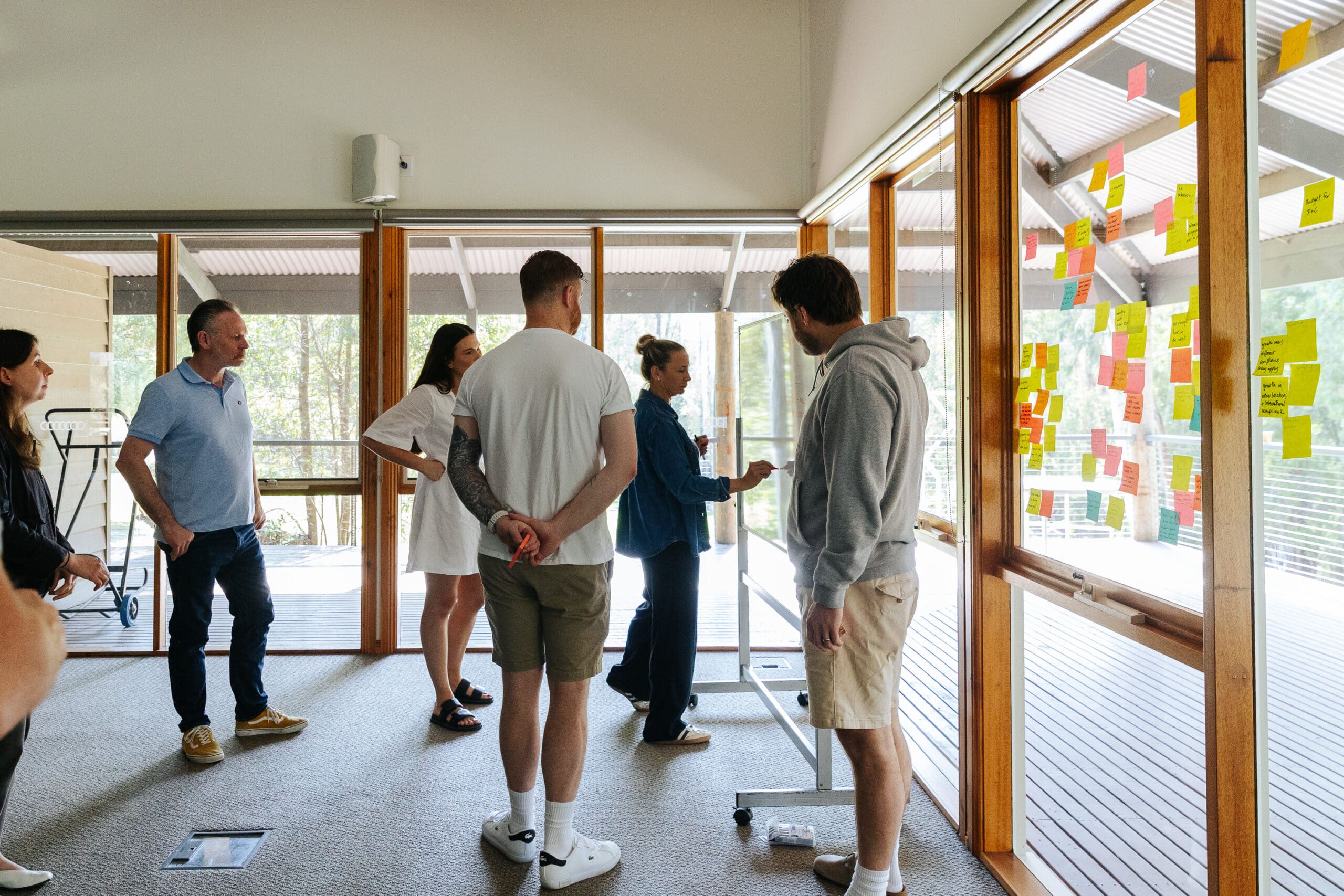
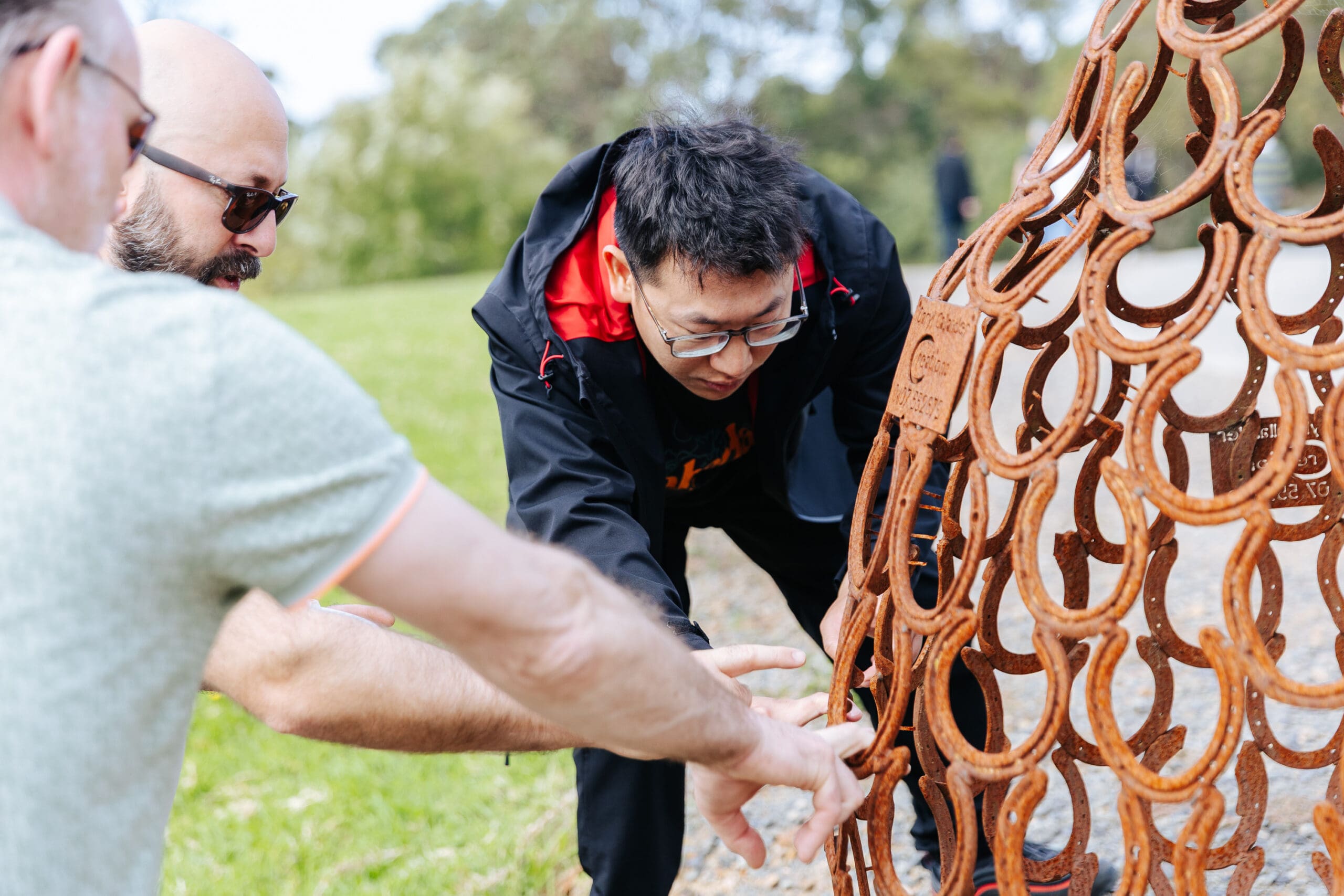
TeamIO went on our annual Company Retreat in April, this time at the stunning Yarra Valley Estate in Dixon’s Creek. We were blessed with Summer weather despite the autumn leaves on full display, letting us do all kinds of team activities: playing lawn games as the sun set, followed by wine tastings and pizza making, and an adventurous scavenger hunt and sunrise yoga over the three days.
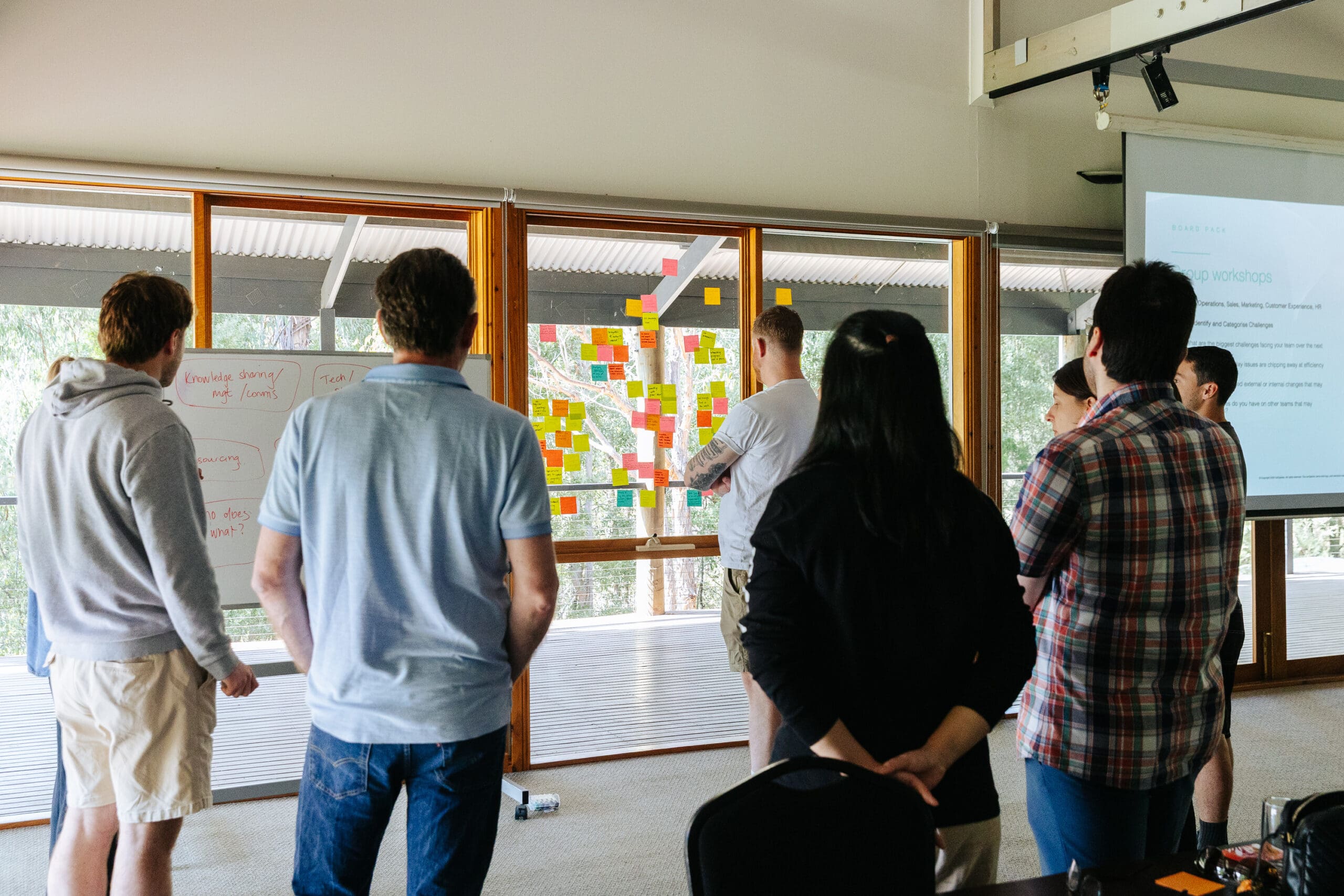
This year’s theme was “Transform to Triumph”, and our workshops reflected that. Following a business overview from Xavier, we saw a combined Product Development update and chromatography fundamentals from Jarrod, a Quality Improvement workshop with Eimear, and Stef walked us through defining our values, which will be pivotal to guide us as we continue to grow and transform.
Following the retreat, we further refined our values and brainstormed the small, daily actions we can take to bring our values to life every day. Our values have gotten us to where we are now, so as we grow increasingly quickly, it’s essential for us to capture, distill, and solidify our values – not just through statements, but through daily action. Only then can we ensure that they continue to drive us, no matter who joins teamIO, in any part of the world.
Special thanks to all our speakers, Emily for organising, as well as everyone who stepped up to introduce themselves or perform at our talent show, which was a true highlight of the retreat. It also made clear that we’re a group with diverse talents, and we’ll have to draw on each and every one of them, if we want to continue to triumph as we transform.
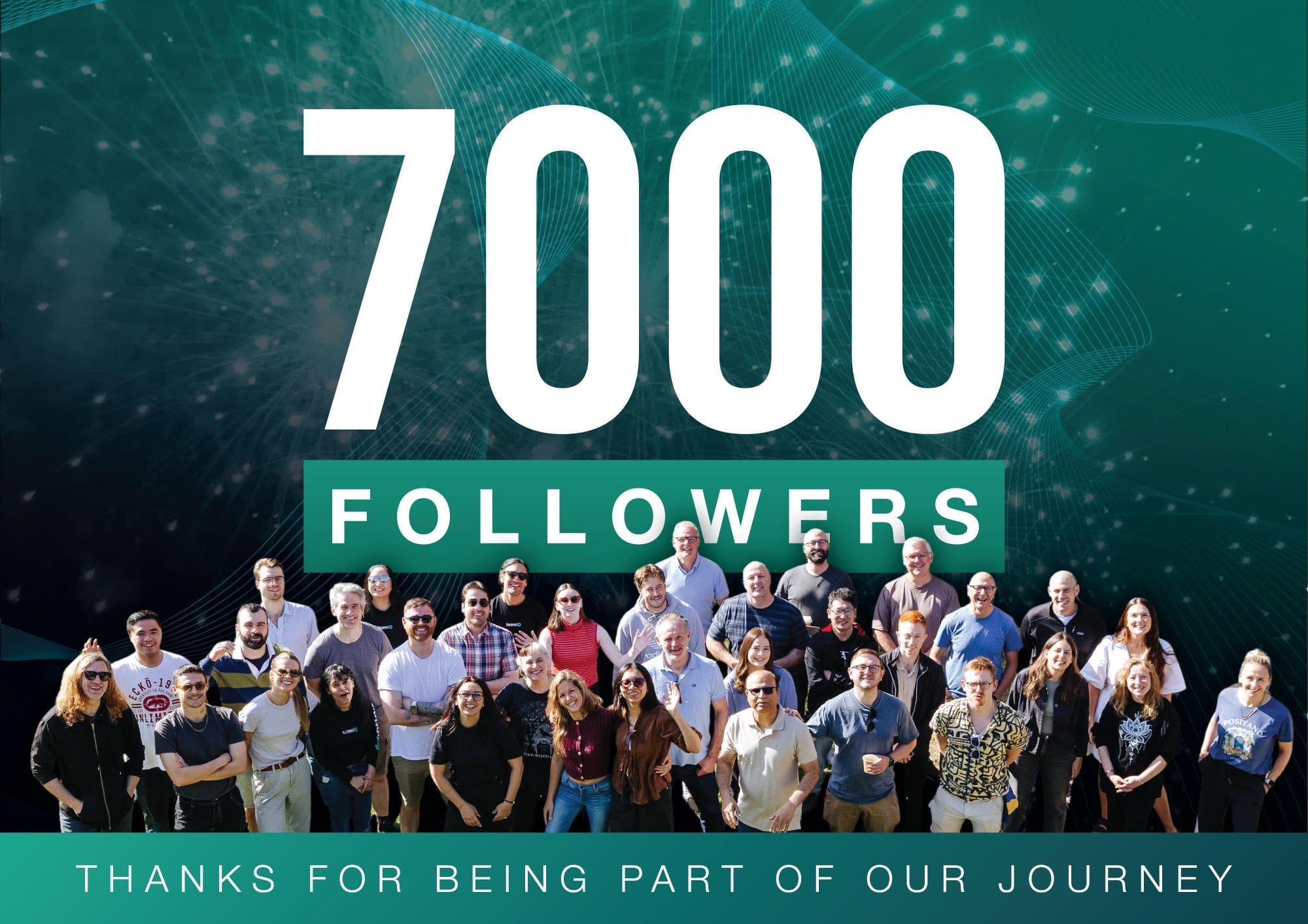
IonOpticks reaches 7,000 followers on LinkedIn
Thank you to our users, peers, fans, and collaborators for helping us reach 7,000 followers on LinkedIn! Your continued support makes it possible for us to not only share the teamIO journey, but to spotlight the incredible researchers driving innovation in proteomics.
We’re grateful to be able to help spread your discoveries, amplify your stories, and connect this amazingly talented community with the broader world. Here’s to celebrating the science, and the people, behind every breakthrough.
UPCOMING EVENTS
Find IonOpticks at these upcoming international events